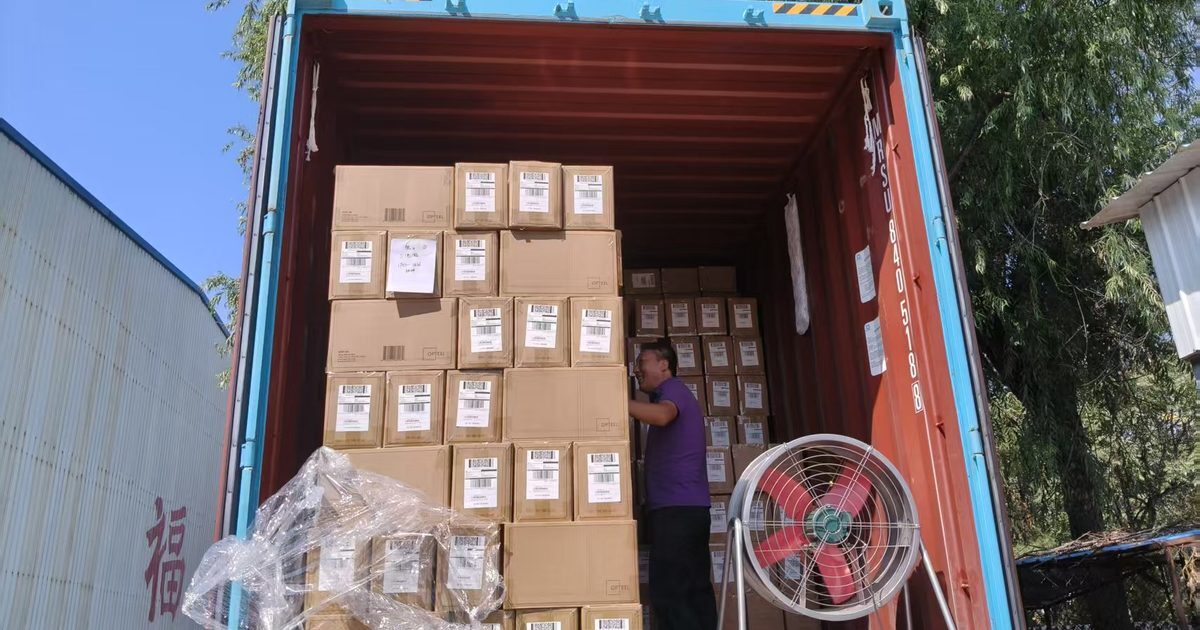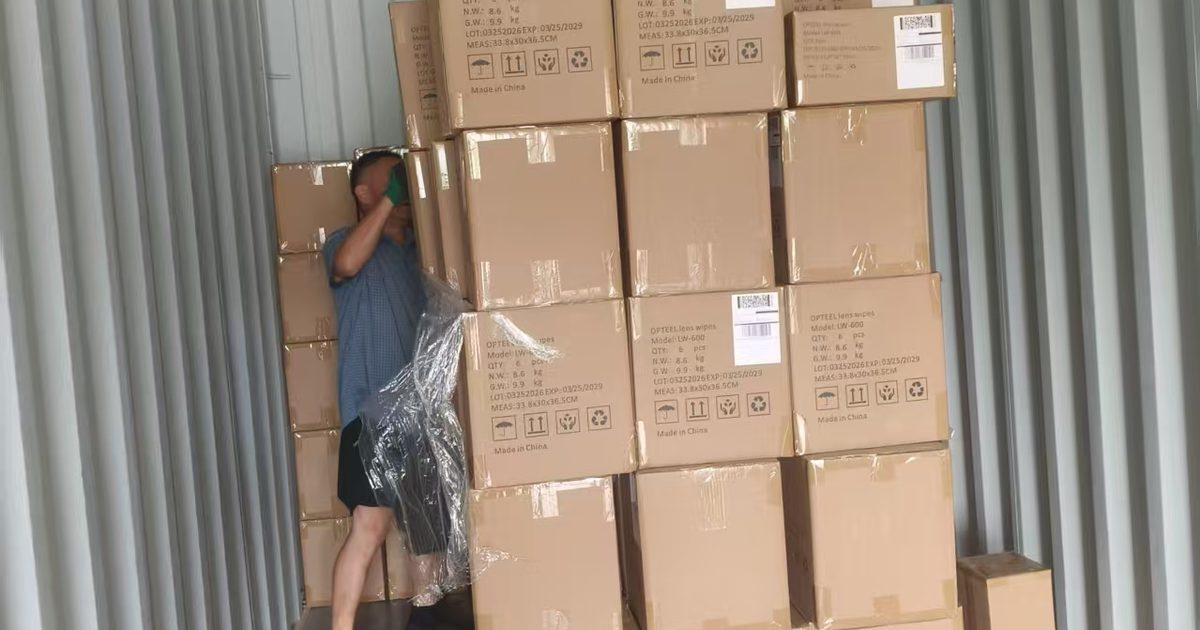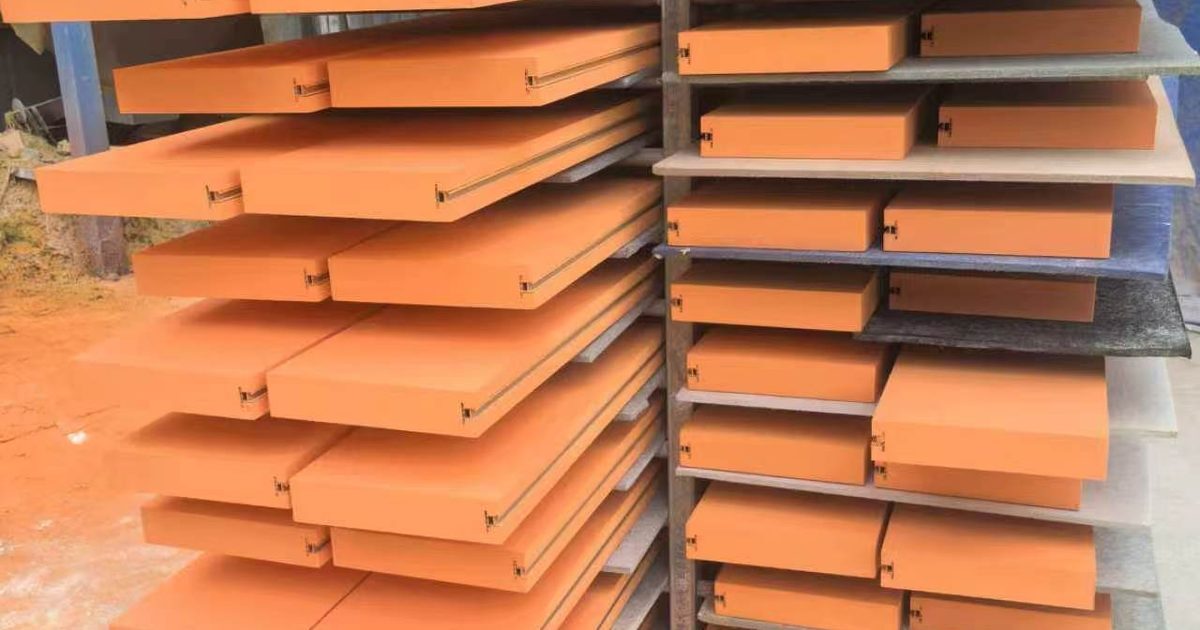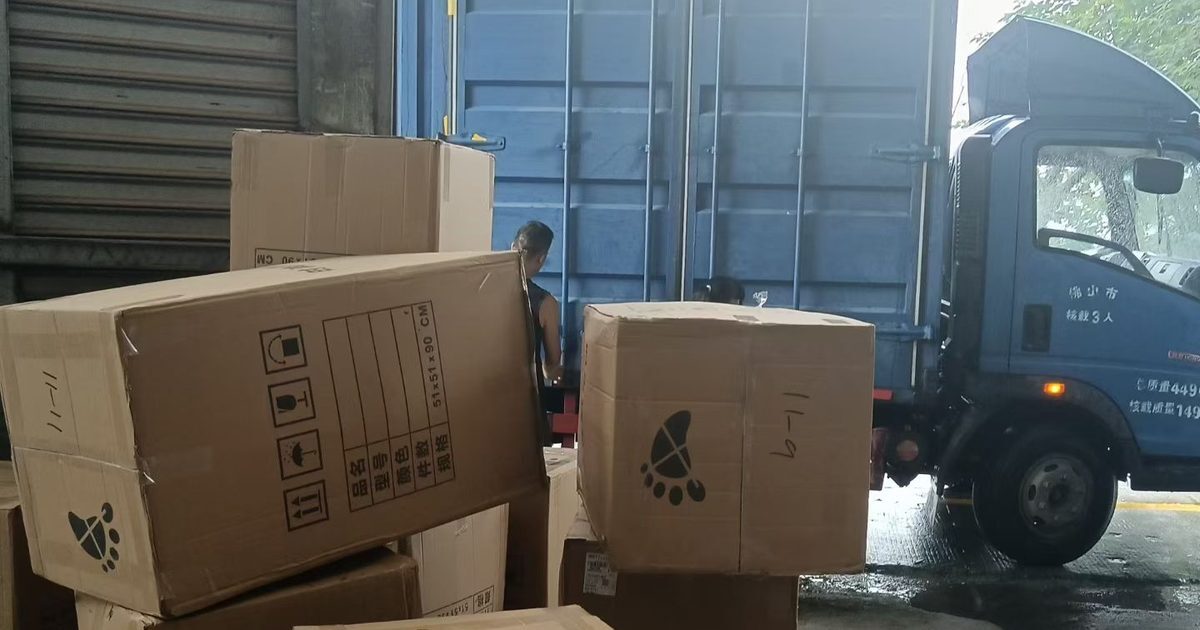
Your supplier may not make the goods. How to test the chain.
A supplier can show a clean showroom while undisclosed work happens at another facility. I do not call that forced labor or a customs violation without evidence. I call it an unclosed traceability risk — and it is one of the most common gaps I see in importer files.
You already have a supplier. The job is not to find a new one. The job is to test whether the production story they sold you matches the chain that actually makes, packs, and ships your goods.
China Agent verifies and documents the China side. We do not source. We do not take factory commission. We do not act as a middleman. We do not file entries. We do not give US customs legal advice. Confirm UFLPA, origin, and entry questions with your counsel or licensed broker.
The operational problem
"We make everything in-house" is a sentence. It is not a record.
The production floor, the capacity you can see, the raw-material stock, the subcontracting disclosures, and the documents that connect input to output are how you test that sentence. If packing or final assembly happens somewhere else, that somewhere else belongs on the file. If a second facility does the work your PI attributes to the first, that is not a footnote. That is the maker for that step.
Buyers get stuck because the showroom looks serious, the English brochure looks serious, and nobody on their side has walked the chain with a notepad. Destination-country questions — including forced-labor and reasonable-care questions — do not care how polished the brochure was. They care what you did to know the chain.
Under 19 U.S.C. § 1484, the importer of record must use reasonable care when filing entry information. CBP's Reasonable Care publication explains that duty in trade language. Knowing the parties that manufacture or manipulate your goods is part of how that duty shows up in real China buying — without turning this article into a legal memo.
Practical questions to put on paper
Before you escalate to lawyers or portals, write down what you still do not know:
- Who performs each production step for this SKU?
- Where do the main raw materials come from, and who buys them?
- Which records connect those inputs to the finished goods you will import?
- Does another facility cut, assemble, finish, pack, or ship?
- Has the supplier disclosed subcontractors in writing, or only in a hallway conversation?
- If you asked for a visit to the real production address, what happened?
These are operational questions. They are also the backbone of any later due-diligence narrative your counsel builds. One generic affidavit that "the supply chain is clean" cannot answer every upstream question. Keep the open items named.
If you are still stuck on whether the named seller is even the factory, start with manufacturer identity — see A supplier can be real and still not be your factory. This article assumes you already know the Chinese company on the PI and are testing whether that company's production story holds.
How to cross-check the story
When someone you introduce is on site, or when you are still at the document stage, look for consistency across:
- Claimed capacity versus machinery and headcount you can see
- Raw-material stock and purchase invoices versus output volume
- Production logs and work orders versus the PO and packing list
- Packing and shipping records versus the factory address on the commercial file
- Written subcontracting disclosures versus what the floor implies
Mismatch is information. Missing records are information. A refusal to show a second site is information. Put it in the dated report. Do not rewrite the visit so the PDF looks "clean."
Paper-first still matters. If you are not even sure the Chinese legal entity, license, and bank beneficiary are the same story, start there — Supplier Reality Check — $95 — before you spend on a visit. When the entity is clear and the production claim is not, that is the $795 Factory Reality Check and, when needed, a scoped follow-up on named subcontractors.
I am careful with language here. Seeing a quiet corner of a facility, or hearing that "some finishing goes out," is not proof of a violation. It is a reason to ask the next question and write the answer down. Jumping from "undisclosed subcontractor" to "forced labor" without evidence is how buyers scare themselves and still leave the file empty.
What subcontracting looks like in the wild
I see a few recurring shapes. None of them require a dramatic story to understand.
Named producer, trading seller. The company on your PI is a trading desk. They name a manufacturer in writing. You can document that manufacturer. That can be a clean commercial structure if the trail is real.
Silent second facility. The PI says in-house. Capacity at the visited address does not match the order book. Packing or key process steps happen somewhere the buyer has never visited. The second address stays off the commercial file until someone asks hard questions.
Seasonal overflow. Peak season goes to a sister company or a friend factory. Everyone in the room knows. Nothing is written. When a questionnaire asks for production locations for that shipment, the buyer has nothing dated.
Component tier nobody mapped. Your direct factory is real. The risk sits one or two tiers back — a mill, a plating shop, a packing house. If your product family sits in a high-priority sector under public CBP guidance, that upstream layer matters more. Your broker or counsel should confirm what your product actually needs. China Agent helps you ask the China-side questions and document answers. We do not invent a map that never existed.
Document trail versus hallway promises
I hear the same line in meetings: "We don't use outsiders." Then packing happens at a building nobody listed. Or dyeing goes to a mill the sales manager only names when pressed. Or the sister company runs nights during peak season.
Ask for the disclosure in writing. Chinese-language commercial documents that name facilities and roles beat a translated English email that says "our supply chain is clean." If they will not put the second address on paper, that refusal belongs on your side of the file the same day.
When records do arrive, check boring alignment:
- Does the work order name the same facility as the packing list?
- Do material purchase invoices support the volume on your PO?
- Do shipping papers leave from the address you visited — or from a warehouse you never saw?
Ordinary-course papers are what CBP's public forced-labor materials keep asking for. A polished affidavit without those papers is decoration. Confirm with your broker or counsel how strong your particular product package needs to be. China Agent's job is to help you collect and organize the China-side trail — not to declare it legally sufficient.
UFLPA and reasonable care — careful wording
Importers need a process for knowing the chain and retaining supporting records. That process is yours. Your broker files. Your counsel advises on US law. China Agent's role is the China-side verification and documentation: entity, address, visit evidence, and the gaps that are still open.
The Uyghur Forced Labor Prevention Act creates a rebuttable presumption against goods mined, produced, or manufactured wholly or in part in the Xinjiang Uyghur Autonomous Region, or by an entity on the UFLPA Entity List. CBP's public UFLPA enforcement FAQs walk through applicability versus exception paths when goods are detained under that law.
CBP's June 2026 Forced Labor Enforcement Operational Guidance for Importers ties reasonable care under § 1484 to forced-labor compliance: accurate information, supplier verification, and being ready to show goods were not made wholly or in part with forced labor. For applicability reviews, CBP expects documentation produced in the ordinary course of business — parties, roles, material flow, payment and transport records — with English translations when needed. CBP's Best Practices for Applicability Reviews repeats the same practical ask: a complete, organized package with a supplier list and documents tied to each role.
We will not tell you a file "satisfies UFLPA" or "proves the goods are not from Xinjiang." Those are legal and factual determinations that sit with you and your advisors, based on product, inputs, and evidence strength. What we can do is help you ask the factory the hard operational questions, put a person at the door when access is granted, and leave you with a dated record you can hand to broker or counsel.
A country-of-origin claim on a carton is only as strong as the production record behind it. Same logic for any upstream claim: the record has to connect to real places and real companies. If even one supplier in the chain will not provide production information, CBP's June 2026 guidance treats that gap as making the submission insufficient for an admissibility decision for the detention types covered by that guidance. You will not invent that tier after the hold notice.
A control plan you can actually run
If the chain matters for your product, put controls in writing:
- No-undisclosed-subcontracting terms in the commercial documents that hold in China
- Access and audit rights you can exercise without begging
- Periodic checks — one visit is a snapshot; monthly support is how you watch between shipments
- A dated report format that keeps open gaps visible instead of burying them
If you need a person in that city who works for you, that is the Employee in China door (from roughly $595 plus salary atcst). If you need lighter ongoing eyes, Monthly Support starts from $995/mo (+ setup). Neither door leads with an EOR letter. Both start from the supplier and SKU you already have.
What the dated report should look like
A useful chain test leaves you with something you can hand to broker or counsel without rewriting history:
- Who claimed what, on which date, for which SKU
- Which addresses were visited or refused
- Which records were shown and which were missing
- Which subcontractors were named in writing versus only spoken
- Open gaps listed in plain English
Yellow is still a report. You asked. Something is not closed yet. We do not tidy the gap away so the PDF looks prettier. A clean-looking pack that hides a missing tier is worse than a yellow pack that names the hole — because the missing tier is what CBP's public guidance keeps pointing at when packages fail.
What to do
If the chain is unclear, bring the supplier and the SKU. We can scope the right verification.
- Entity still uncertain? Start with Supplier Reality Check — $95
- Need eyes on the named factory? Due Diligence / $795 Factory Reality Check
- Keep the chain current across orders: Monthly Support — from $995/mo (+ setup)
- Full-time person in that city: Employee in China
- Soft next step: WhatsApp or book a call
We do not source. We do not take factory commission. Confirm US customs and forced-labor requirements with your counsel or broker. We do not give US customs legal advice. We do not file entries.
FAQ
Q: Does undisclosed subcontracting automatically mean a UFLPA violation? A: No. Undisclosed subcontracting is an unclosed traceability risk until you document where work actually happens. Forced-labor conclusions need facts, product context, and counsel. China Agent helps you ask and record the China-side questions. We do not declare a legal outcome.
Q: What records help test a China production chain? A: Ordinary-course papers that connect steps: work orders, material purchases, production or packing logs, shipping papers, and written disclosures of other facilities — matched to the PO and the places you visited. Confirm with your broker or counsel what your product package needs.
Q: Can a one-time factory visit close the chain forever? A: No. A visit is a dated snapshot. Facilities, overflow packing, and payees change. Use the visit to open the file. Use ongoing eyes when orders keep moving.
Q: Will China Agent certify that my chain "passes UFLPA"? A: No. We verify and document the China side. We do not certify UFLPA compliance, admissibility, or release. Your counsel and broker own the legal read. We do not get anyone through CBP.
Q: What if the supplier refuses to show a second facility? A: Put the refusal on the dated file the same day. Do not invent the missing address. Talk to broker or counsel about entry risk. China Agent can document the refusal. We do not invent the missing tier.
Q: How is Monthly Support different from Employee in China here? A: Monthly Support from $995/mo (+ setup) keeps verification and documentation follow-up running across orders. Employee in China is a separate door: a full-time person working only for you in that city. Same team. Different doors.