
What July 8 Actually Means for Importers
The new CPSC eFiling rule — explained by someone who's been inside the factories, not just read the memo.
What July 8 Actually Means for Importers
The new CPSC eFiling rule — explained by someone who's been inside the factories, not just read the memo.
I'm Eldad Shashua. I've spent 17 years inside Chinese factories — verifying suppliers, drafting contracts, recovering bad orders. This past month I've had the same conversation on repeat: an importer forwards me a scary email about July 8, asks if it's real, and tells me they've already gotten five different answers.
So I sat down and wrote out what's actually happening. Plain English. No jargon, no fear.
Here's the honest part: nobody has this fully figured out yet — not the importers, not the brokers, not the forwarders, and not me on day one. It's a new rule and we're all working out how it lands in the real world. But I know where the truth lives — it lives in the factory, and that's where I've spent my career.
The new age of compliance is here. You're not alone in it. Read this, use it, and if you want help getting ready, that's what we're here for.
The rule didn't add a new certificate. It made the old one impossible to fake.
If your product already needed a CPSC certificate, you still need the same one. What changed is who's watching, and when.
Here's what most of the scary emails get wrong: July 8 does not create a new certification requirement. If you import a regulated consumer product, you were always supposed to have a certificate — a General Certificate of Conformity (GCC) or a Children's Product Certificate (CPC). That hasn't changed.
What changed is the filing. Until now, that certificate sat in a drawer. You produced it if customs asked. Most never got asked.
From July 8, the certificate data gets filed electronically, at the moment of entry, on every shipment — and it goes into a system CPSC reads in real time and cross-checks against other flags, including forced-labor and country-of-origin watchlists. Small parcels aren't exempt. There's no "we'll keep it on file" anymore.
So this isn't a wall at the border that stops your container on July 9. It's a spotlight. The certificate you were always supposed to have is now visible to the government the second your goods arrive — and it had better hold up, because they can look, cross-reference, and come back later with questions, holds, or penalties.
The bottom line: you're not being asked to do something new. You're being asked to prove — out loud, on every entry — what was always supposed to be true. That's easy if it's real. It's a problem if it isn't.
Before anything else: is it a children's product?
"Toys" is what people say. "Children's products" is the actual category — and it's much bigger than toys.
This is the first fork, and it decides everything after it. Get it wrong and the rest of your plan is wrong.
If your product is for general use — adult clothing, adult furniture, most household goods — you're on the GCC track (Truth 3).
If your product is for children 12 and under, you're on the CPC track (Truth 4) — and that's a much heavier lift. Here's the trap: people hear "children's product" and think toys. But the category is far wider. It includes:
- Children's clothing (a kids' hoodie is a children's product, not "apparel")
- Children's furniture — cribs, high chairs, toddler beds
- Strollers, car seats, carriers, play yards, gates
- Children's jewelry (heavily targeted)
- Bottles, pacifiers, teethers, bibs
- Kids' books, art supplies, backpacks
And it's not the product type that decides it — it's who it's for. How it's marketed, packaged, decorated, and sold. A plain item can become a "children's product" purely because of who you're selling it to.
I've watched an importer swear up and down "I don't sell toys" — and he was right. He sold kids' clothing. Which is a children's product. Which needed the harder certificate he thought didn't apply to him.
The bottom line: figure out which side of this line you're on before you do anything else. Not sure? That's the first thing we tell you — it's the whole point of where we start.
If it's general-use: the GCC. And most of the time, there's no test.
For a lot of general-use products, this is far less painful than the panic emails suggest.
If you're on the general-use side — say, adult apparel — the certificate is a GCC, and it's usually built against a single rule. For clothing, that's the flammability standard, 16 CFR 1610.
Here's the good news nobody's sending in a scary email: a huge share of general-use goods don't need a lab test at all. For apparel, fabrics made entirely of polyester, nylon, acrylic, wool, and a few others are exempt from the flammability test. So are plain fabrics above a certain weight. Most women's garments I see fall right into that exempt bucket.
For those, there's no test to run. There's just a certificate to build correctly — with the right rule cited and the exemption stated properly. "Exempt from testing" does not mean "no certificate." It means the certificate cites why no test was needed. That distinction matters, and it's exactly the kind of thing that's easy to get wrong on your own.
The only general-use pieces that usually do need a real test are the ones with a raised or brushed surface — fleece, fuzzy knits, anything napped.
The bottom line: for a typical general-use collection, the honest answer is "you're probably mostly fine — we just need to sort it and build the certificate right." No drama. That's most of the work.
If it's a children's product: the CPC. And the lab test is not optional.
This is the side with no shortcuts. Anyone who tells you a children's product can skip the lab test is going to get you hurt.
Children's products are a different animal, and I won't sugarcoat it. A Children's Product Certificate requires testing by a CPSC-accepted accredited third-party lab. There is no exempt bucket. No "the factory says it's fine." No self-testing. Every children's product gets tested by an accredited lab, full stop.
And it's not one test — it's a stack, all at once:
- ASTM F963 — the toy safety standard (mechanical and physical hazards)
- Total lead — in the material and in any surface coating
- Phthalates — for many plastic and coated items
- Small parts / choking — graded to the child's age
- Plus tracking-label requirements on the product itself
And the child's age drives which rules bite hardest — under-3 is a stricter world than 8-to-12.
If your product is for kids, the "you're probably exempt" comfort from Truth 3 does not apply to you. Don't let anyone — a factory, a forwarder, a cheaper "consultant" — tell you otherwise. That's the advice that ends in a seized shipment.
The bottom line: children's products need real accredited-lab testing and a properly built CPC. It's more work and more cost — and it's the part where getting it right actually protects you. We manage the testing and build the certificate around it.
A certificate is only as true as where the sample came from.
This is the whole reason to have someone on the ground. It's the part a laptop can't do.
Say your product needs a test. Where does the tested sample come from?
If the factory mails you a swatch, they chose that swatch. And I have watched, more times than I can count, a factory send a beautiful sample that is not the material going into the container. Fabric gets substituted after sample approval. A cheaper blend goes on the line. "100% polyester" quietly becomes something else. The mailed sample passes. The shipment wouldn't.
Now your certificate is backed by the wrong cloth. Under a challenge, it collapses — and you're the one who signed it.
The only way a test means anything is if the sample was pulled from the actual production — the real roll, the real line, the real goods that ship. That's not something you can arrange by email from six thousand miles away. Somebody has to be in the building when the sample is cut.
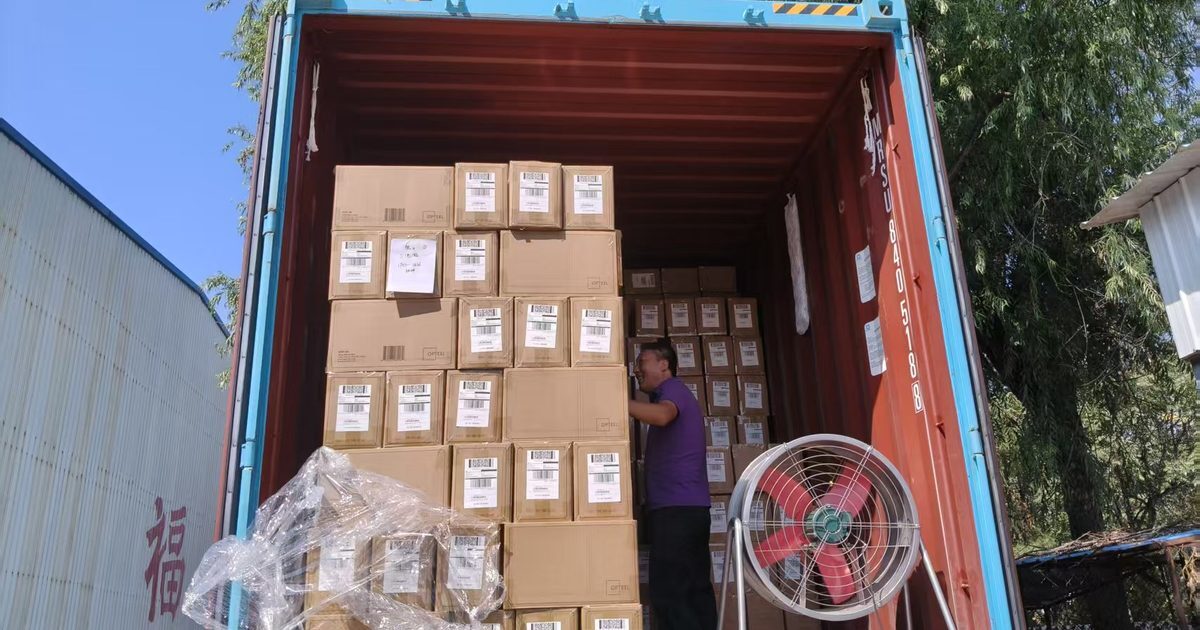
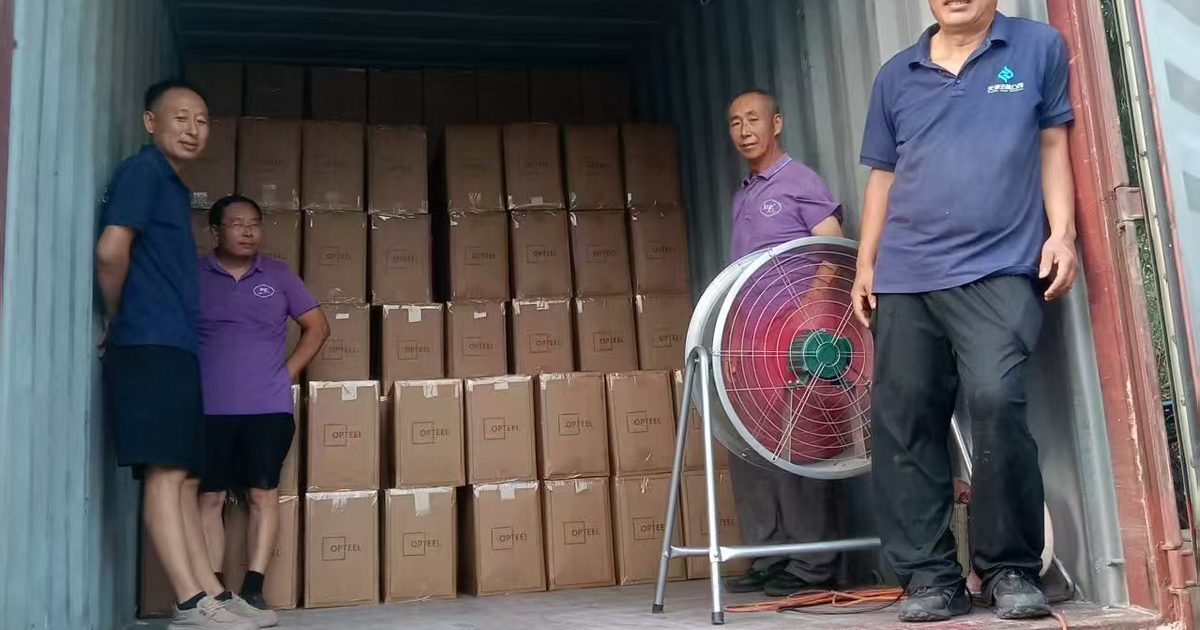
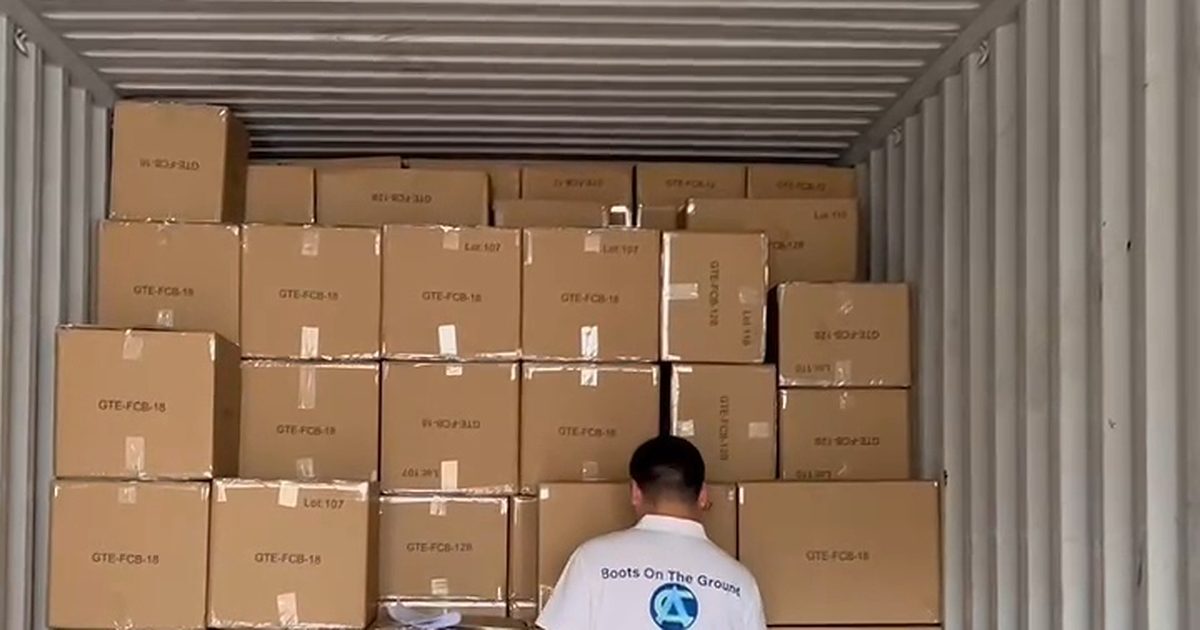
That's what we do. We go to the factory, confirm the material on the line is the material on the spec, pull the sample from real production, and confirm the real manufacturer and location — the same location that's now getting cross-referenced the moment you file. Then the certificate gets built on what we verified, not on what somebody emailed.
The bottom line: a desk can collect paperwork. Only boots on the ground can confirm it's true. That's the difference between a certificate that holds and one that hopes — and it's why we exist.
Your forwarder isn't dropping the ball. This just isn't theirs to carry.
A lot of importers are confused why their forwarder won't handle this. The honest answer: it was never their job — and the good ones will tell you so.
Your forwarder moves your freight and files your entry. When the certificate data is ready, they're the ones who transmit it. That part is theirs, and a good forwarder does it well.
But building the certificate is a different thing entirely. It's a claim about your product — its material, its safety, who actually made it and where. A forwarder sits at a desk with a booking system. They have no way to verify what's happening inside a factory in China, and they're right not to put their name behind a claim they can't stand up. That's not them being unhelpful. That's them being honest about where their job ends.
So the picture most importers hit is this: the factory hands over a PDF and a language barrier, the forwarder says "that part's between you and your supplier," and the broker says "give me the data and I'll file it." Everyone's doing their job correctly — and there's still a gap in the middle where the certificate actually gets built and verified.
That gap is where we sit. We're the piece between the factory and the filing. We do the on-the-ground verification, build the certificate on what's real, and hand it to you — and your forwarder files it, exactly as they should. We don't replace your forwarder. We do the part that was never theirs to do.
The bottom line: your forwarder moves the freight and files the entry. We make sure what gets filed is true. Different jobs — and they fit together.
The certificate is yours. You sign it. So it had better be true.
Not the factory's. Not the forwarder's. Not the broker's. Yours.
Here's the part people don't like to hear: the certificate is the importer's legal responsibility. You are the one who certifies it. You are the one on the hook if it's wrong. The factory supplies the facts. The broker files it. But the name on the certificate — the one making the legal statement that this product complies — is yours.
That's not a reason to panic. It's a reason to make sure the thing you're signing is built on verified truth instead of a factory's word and a hopeful guess.
This is exactly why the on-the-ground piece matters. When we've stood in the building, confirmed the material, pulled the real sample, and verified the real manufacturer, you're not signing a hope. You're signing something we checked. That's the whole point.
The bottom line: you certify it, so you carry it. We build it so it's true, you sign it with confidence, and your broker files it. Clean, and defensible.
The rule in detail and where to read it straight from CPSC
I'd rather you didn't take my word for any of this. So here's the actual shape of the rule, and the official page to check it against.
Where it lives. The rule amends 16 CFR Part 1110. CPSC finalized it in December 2024, and the voluntary stage has been open since late 2024 — you can self-register and test the system today. Mandatory date for most regulated imports: July 8, 2026. Foreign Trade Zone goods follow January 8, 2027.
What actually gets filed. At the time of entry, through CBP's ACE system, the importer transmits a set of certificate data elements for each regulated product — roughly seven:
- A product identifier (GTIN, SKU, UPC, model number, or similar)
- The specific safety rule(s) the product is certified to
- Who's certifying — the importer or manufacturer (name, address, phone)
- Who holds the test records
- The date and place of manufacture — city or region, country, final assembly
- The testing detail behind it, where a test applies
- An attestation that the product complies
Two ways to file it.
- Full message set — you send all the data with every shipment, at entry. Simpler to grasp, heavier to run if you ship the same product over and over.
- Reference message set — you pre-load your certificate data into CPSC's Product Registry once, then transmit short reference IDs at each entry. Better if you re-import the same products. (Needs a CPSC business account.)
What happens at the border — honestly. This is not a wall that bounces your container on July 9. Where you used to get a "May Proceed," you may now see "Under Review." Most of the time, goods keep moving. But CPSC can now place a hold or call an exam — and if your data is missing, wrong, or unsupportable, that's where the scrutiny, holds, and penalties come from. A false certificate is a violation of the Consumer Product Safety Act, which is where forfeiture and fines live. The pressure isn't at the gate. It's the spotlight that stays on after your goods clear.
Two things people miss.
- De minimis is not exempt. Low-value parcels count. The small-shipment loophole doesn't apply here.
- It's on you to know if you're covered. CPSC has said it plainly: the importer is responsible for determining whether a product needs certification — you can't just wait for a customs code to flag it for you. That's the trap, and it's exactly the part that's hard to get right alone.
Read it — and watch it — at the source. Everything above is my plain-English read. The official word, and the official how-to, both come straight from CPSC:
CPSC eFiling — the official guidance: https://www.cpsc.gov/eFiling CPSC Product Registry — the full training (22 videos): https://youtube.com/playlist?list=PLPbI8bR243fGyvICtvPBJgH0mt8G6AShg
CPSC even put the entire Product Registry course on YouTube, and it's worth your time. It shows you how to log in, set up your account, and file your certificate data — the whole system side. If you want to run the filing yourself or hand it to your broker, that video series is all you need for the mechanics.
Here's the part it can't teach you: whether the data you're about to file is true. The video shows you the keyboard. It can't stand in the factory and confirm the fabric, the manufacturer, and the place of manufacture behind what you're typing into that Registry. That doesn't happen in the software. It happens on the floor — and that's the part we do.
Go read it. Watch it. Verify me. Then come back if you want help making sure what you file is a certificate that actually holds.
Where to Start
The explanation above is free. Use it, check it against CPSC's own page, and if you can handle it from here, go handle it.
But some of you can't do this alone — and you know who you are.
This is for you if you:
- Import from China and sell regulated consumer goods in the US
- Buy through a trading company and have never stood in the real factory
- Have a shipment moving now, or the July 8 date bearing down on you
- Aren't sure whether you need a GCC or a CPC — or whether your product even counts as a children's product
- Want a certificate that holds up, not one you're hoping is right
And you need help:
- Sorting your products into how many certificates you actually need
- Verifying the real factory and the real place of manufacture
- Getting the fabric or material tested from actual production — not a swatch they mailed you
- Building the GCC or CPC correctly, so your broker can file it clean
- Walking into July 8 knowing you're right
So we bundled it. We took the services we already run — the ones we've used for years to verify factories for importers — and put them together for exactly this moment.
The CPSC Readiness Bundle — $995 Three layers, one job: prove your factory and your product are what you're about to tell the government they are.
- Supplier Reality Check — is this supplier even real, registered, and the entity on your paperwork?
- Document Verification — the factory's own government records pulled and verified: license, scope, ownership, litigation, status.
- Physical Reality Check — on the ground: real, operating factory, confirmed it makes your product, forced-labor and origin risk flagged, and a certificate-grade report built to hold up if you're ever asked.
Bought separately, those run $1,385. Together, as the readiness bundle, $995.
That covers one factory and one product line. More product lines at the same factory, or production split across multiple factories? We add those at a lower per-line rate — just tell us what you've got and we'll map it.
And if you've got a bigger book, real exposure, or an audit already on your desk — that's a bigger conversation, and we handle that too. Start with a call.
Get the CPSC Readiness Bundle — $995 →
Most importers I talk to would rather spend $995 to walk into July 8 knowing they're right than find out the expensive way that they weren't.
You're not alone in this. Let's get you ready.
Latest blog posts
- Eldad Shashua
- September 28, 2026
- Eldad Shashua
- September 26, 2026