
Price Instability Doesn’t Start With Suppliers — It Starts Before Them
April 2026
China Agent Ltd.
Buyers are seeing the symptoms.
- prices not fixed
- short validity
- deposits before commitment
Most assume:
suppliers are changing behavior
That’s not where it starts.
Where the instability actually begins
Price instability is not created at the factory.
It starts upstream.
Before the supplier even quotes.
The upstream chain
Every product depends on:
- energy
- raw materials
- intermediate goods
- transport
Right now, all of them are unstable.
The trigger
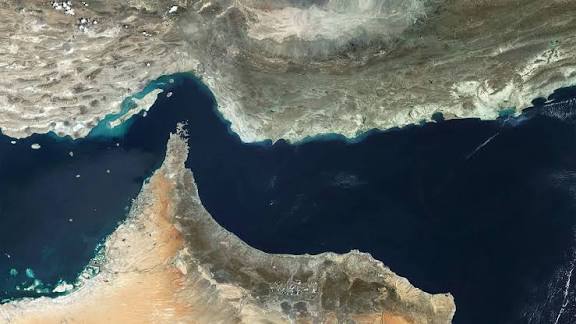
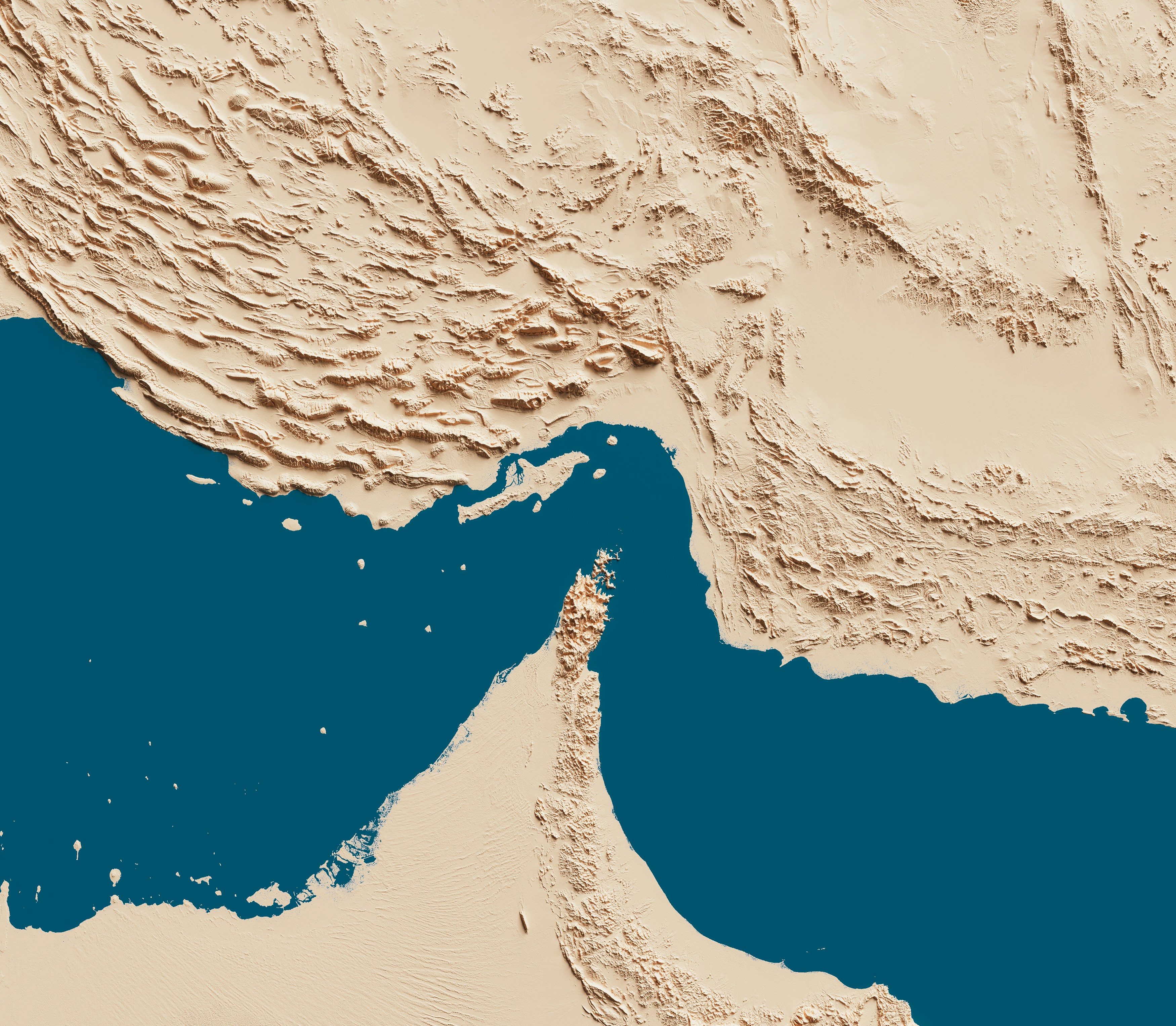
Strait of Hormuz tension → oil risk
That affects:
- plastics
- chemicals
- packaging
- fuel
- freight
At the same time:
- metals like copper are moving
- shipping routes are less predictable
- input timing is uncertain
So before the factory quotes:
the cost base is already unstable
What this does to suppliers
Suppliers are not guessing.
They are reacting to a system they don’t control.
They see:
- material costs that can change quickly
- freight that is not fixed
- timelines that are uncertain
So they adjust.
Why suppliers won’t commit
Not because they don’t want to.
Because they can’t.
If they lock price too early:
- they absorb cost increases
- they lose margin
- they carry full exposure
So they shift structure.
The structural shift
Instead of:
- fixed price
- clear terms
- defined commitment
We now see:
- conditional pricing
- short validity
- deposits before certainty
This is not negotiation.
It is risk management at supplier level.
How this becomes buyer exposure
Once the structure changes:
- price is no longer fixed
- commitment comes earlier
- flexibility moves to the supplier
So the buyer carries:
- timing risk
- cost risk
- decision risk
Why this is increasing now
Because multiple layers are moving at once:
- energy instability
- material volatility
- logistics adjustments
- upcoming demand cycle
Each one adds uncertainty.
Together, they remove stability.
Why this is harder to control
Because it’s not one variable.
It’s a system.
- upstream inputs
- midstream production
- downstream commitments
When the upstream is unstable:
everything downstream becomes conditional
The compliance layer
This also affects documentation.
Because:
- value becomes harder to fix
- timing affects cost
- adjustments happen mid-process
That creates:
- inconsistencies
- alignment issues
- exposure under verification
The buyer mistake
Buyers focus on:
- final price
- last negotiation
- end-stage inspection
But the instability is already built before that.
What control actually requires
Control now means:
- understanding upstream inputs
- verifying material sourcing
- aligning timing with cost
- structuring commitment points
Not reacting to quotes.
Controlling how quotes are built.
China Agent perspective
Suppliers are not creating instability.
They are passing it through.
The system changed.
And pricing became a reflection of that system.
Final thought
Price instability is not a negotiation issue.
It is a supply chain structure issue.
Buyers who treat it as negotiation will keep reacting.
Buyers who treat it as structure will regain control.
FAQ
1) Why are prices unstable now?
Because upstream inputs are unstable.
2) Is this caused by suppliers?
No — suppliers are reacting to upstream pressure.
3) What is the main driver?
Energy, materials, and logistics uncertainty.
4) Why can’t suppliers commit?
Because their cost base is not fixed.
5) Is this temporary?
Usually cyclical, but timing is unpredictable.
6) What is the biggest risk for buyers?
Committing before cost is stabilized.
7) Does this affect all industries?
More in material-heavy sectors.
8) Can contracts solve this?
Only if structure is defined properly.
9) What should buyers verify first?
Material sourcing and cost drivers.
10) What is the key shift?
From price control to structure control.