
The Tariff Certainty Everyone Paid For Just Disappeared
Updated February 2026 | China manufacturing strategy
The Supreme Court just struck down Trump's tariffs.
Not "modified." Not "adjusted."
Struck down. Illegal. Gone.
And the importers who spent 12-18 months scrambling out of China for "tariff certainty"?
They just got hit with more uncertainty than ever.
What Just Happened
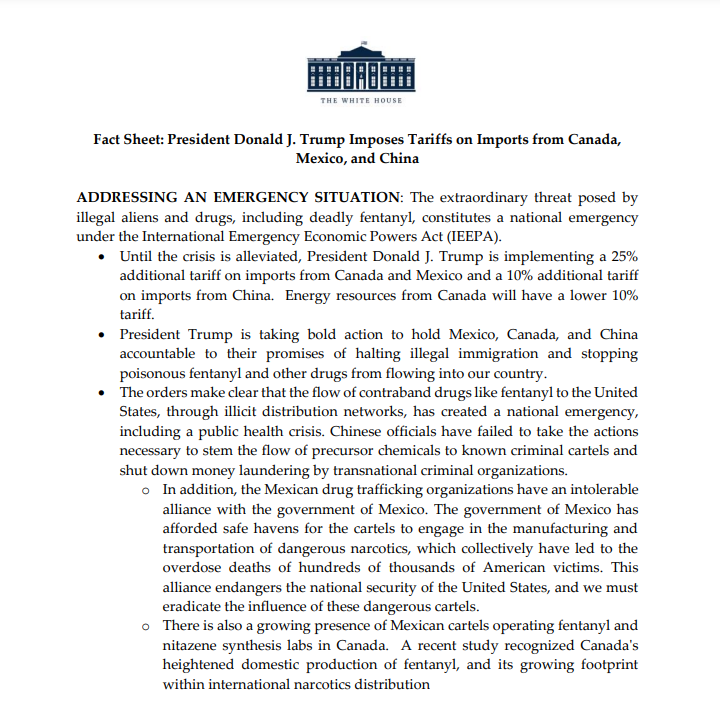
February 20, 2026: US Supreme Court ruled 6-3 that Trump overstepped presidential authority when he imposed sweeping global tariffs using the International Emergency Economic Powers Act (IEEPA).
The immediate impact:
- All tariffs under IEEPA declared illegal
- $130 billion in collected tariffs potentially refundable
- Companies already filing for reimbursements
- Trump's response: impose new 15% global tariffs under different law (Section 122 of 1974 Trade Act)
The catch:
Section 122 tariffs are temporary.
They last 5 months maximum before requiring Congressional approval.
Then what?
Nobody knows.
The Chaos This Creates
For importers who stayed in China:
You paid tariffs that were illegal.
You might get refunds (if you fight for them).
You maintained reliable supply chains.
You didn't burn 18 months rebuilding production in Vietnam.
For importers who fled China:
You restructured your entire supply chain to avoid tariffs.
You spent 12-18 months:
- Finding new factories
- Rebuilding quality systems
- Teaching suppliers how to work with you
- Fighting communication breakdowns
- Dealing with longer lead times
- Accepting higher defect rates
And the tariff certainty you paid for?
Gone.
Now you're stuck in Vietnam/India with:
- Less reliable production
- Weaker supplier relationships
- No refund on the China tariffs you ran from
- And facing 15% global tariffs anyway (temporary, but who knows what comes next)
The Part Nobody Wants to Hear
The US trade deficit just hit a record high.
$1.2 trillion. Up 2.1% from 2024.
The tariffs didn't work.
They didn't:
- Reduce imports
- Bring manufacturing back to the US
- Strengthen American industry
- Create supply chain "independence"
They just created chaos.
And importers made billion-dollar decisions based on tariff policy that lasted less than 2 years before getting struck down.
What "Patchwork Approach" Actually Means
Allie Renison, former UK trade adviser: "While it may seem like a good day for free trade, trade actually just got a lot messier."
Here's what that means:
You now have:
- 15% global tariffs (temporary, 5 months)
- Steel/aluminum tariffs (still in place, different law)
- Auto tariffs (still in place)
- Lumber tariffs (still in place)
- Country-specific deals (UK, Australia - but unclear if they still apply)
- Exemptions for critical minerals, metals, pharmaceuticals
- Potential refunds on $130bn in illegal tariffs
- Congressional battles coming in 5 months
- No idea what happens next
This is not certainty.
This is maximum chaos.
And if you restructured your supply chain based on "avoiding China tariffs," you just traded China's operational reliability for Vietnam's production headaches... for nothing.
The Importers Who Got Burned
Let's say you're a mid-sized US brand.
2024: China tariffs hit 25-45% on your product category.
Your decision: Move production to Vietnam to avoid tariffs.
What you paid:
- 6-12 months finding and vetting Vietnam suppliers
- Tooling and mold duplication: $50K-$150K
- Quality failures and rework in first production runs: $30K-$80K
- Longer lead times = lost sales during transition
- Higher defect rates = customer complaints and returns
- Communication breakdowns = constant firefighting
Total cost: $200K-$400K plus 12-18 months of stress.
What you got:
- Vietnam production that's less reliable than China was
- Slightly lower unit costs (maybe)
- "Tariff certainty"
February 2026:
- Supreme Court: "Those China tariffs were illegal"
- You might get refunds on tariffs you already paid
- Trump: "Here's 15% global tariffs (including Vietnam)"
- Your tariff advantage: gone
- Your China supplier relationships: burned
- Your Vietnam production: still struggling
You just spent $300K and 18 months to end up in a worse position.
The Smarter Play (That Almost Nobody Took)
Here's what a few importers did instead:
They stayed in China.
Not because they "loved tariffs."
Because they understood:
Tariff policy is temporary. Production capability is permanent.
They:
- Negotiated with Chinese suppliers to share tariff burden
- Optimized HTS classification (legal tariff reduction)
- Improved production efficiency to offset costs
- Built stronger supplier relationships during the chaos
- Maintained operational reliability
And now:
- They might get refunds on tariffs they paid
- Their production still works
- Their suppliers are still reliable
- They didn't burn 18 months gambling on tariff predictions
- They can add Vietnam/India optionality without destroying what works
What the "Experts" Got Wrong
For 2 years, every trade consultant, freight forwarder, and industry publication said the same thing:
"Get out of China. Tariffs are permanent. Diversify now."
They were wrong.
Tariffs weren't permanent.
They were illegal.
And the importers who followed that advice just:
- Paid hundreds of thousands to relocate
- Spent 12-18 months rebuilding production
- Accepted lower quality and longer lead times
- Burned supplier relationships
- For tariff certainty that lasted less than 2 years
What Actually Works
Stop building strategy around tariff predictions.
Because tariff policy will change again. And again.
Build production systems that work regardless of tariff chaos.
That means:
1) Maintain China capability
China is still:
- The most reliable manufacturing infrastructure in Asia
- The deepest supplier ecosystem
- The fastest problem-solving capacity
- The most experienced at working with international buyers
Don't burn that capability gambling on temporary tariff policy.
2) Optimize within China first
Before you move production:
- Optimize HTS classification (legal tariff reduction)
- Negotiate tariff burden-sharing with suppliers
- Improve production efficiency to offset costs
- Strengthen supplier relationships for better terms
Most importers never did this. They just panicked and moved.
3) Build optionality, don't destroy reliability
If you want Vietnam/India/Indonesia exposure:
- Start small (1-2 products, not your whole catalog)
- Maintain China as your reliable base
- Test new hubs without betting everything
- Keep supplier relationships intact
Optionality ≠ burning bridges.
4) Focus on operational excellence, not tariff arbitrage
Tariff rates change.
Production capability doesn't.
The importers who win are the ones who:
- Have reliable factories
- Maintain strong supplier relationships
- Control quality and timelines
- Can pivot quickly when policy shifts
Not the ones who chase tariff predictions.
The Reality Check
Supreme Court ruling doesn't mean "tariffs are over."
It means: more chaos, not less.
New tariffs are coming (15% global, temporary).
Then Congressional battles.
Then who knows what.
And importers who restructured everything to avoid China tariffs?
They're stuck in Vietnam/India with weaker production and facing tariffs anyway.
What This Means for You
If you're manufacturing in China right now:
Don't panic.
Don't make billion-dollar decisions based on 5-month temporary tariff policy.
Here's what to do instead:
1) File for tariff refunds if you paid under IEEPA
$130 billion in illegal tariffs were collected.
If you paid them, file for reimbursement.
Companies and trade groups are already pushing for "swift refunds."
2) Optimize your China operations
HTS classification review, tariff engineering, production efficiency, supplier negotiations.
Legal tariff reduction beats gambling on policy changes.
3) Build multi-hub optionality (without destroying China capability)
Test Vietnam/India/Indonesia for specific products.
But don't bet everything on tariff predictions that change every 18 months.
4) Focus on operational control
Supplier relationships, quality systems, timeline management, contract enforcement.
These don't change when tariff policy shifts.
5) Stop listening to "experts" who predicted permanent tariffs
They were wrong.
The tariffs they said were "permanent" lasted less than 2 years and got struck down as illegal.
Build strategy around what you can control, not what consultants predict.
The Takeaway
Tariff certainty was always an illusion.
Importers who chased it just traded operational reliability for policy gambling.
The Supreme Court ruling proves it:
Tariffs change. Laws change. Policy changes.
Production capability doesn't.
The importers who maintained China expertise, built strong supplier relationships, and optimized operations?
They're in the strongest position right now.
The ones who burned everything to chase tariff arbitrage?
They're stuck in Vietnam with worse production and facing tariffs anyway.
Don't build strategy around temporary tariff policy.
Build production systems that work no matter what Washington does next.
Frequently Asked Questions
Q: Should I move back to China now that tariffs were struck down?
Not necessarily. If you already moved and Vietnam/India is working, stay. But if you're currently planning to move out of China purely for tariff reasons - pause. The new 15% global tariffs are temporary (5 months), and nobody knows what comes next. Don't make long-term production decisions based on short-term policy chaos.
Q: Can I get refunds on China tariffs I already paid?
Potentially. The Supreme Court opened the door for refunds on tariffs collected under IEEPA (estimated $130 billion). Companies and trade groups are pushing for "swift refunds." If you paid these tariffs, work with your customs broker or trade attorney to file claims. Trump says it will take "years of legal battles," but pressure is mounting for faster reimbursement.
Q: What happens after 5 months when Section 122 expires?
Trump must seek Congressional approval to continue tariffs. That's a political battle with uncertain outcome. Could be extended, modified, eliminated, or replaced with different tariff structure. Nobody knows. This is why building strategy around tariff predictions is gambling.
Q: Should I optimize HTS classification now or wait?
Optimize now. Legal tariff reduction through proper classification works regardless of policy changes. Whether tariffs are 15%, 25%, or 45%, optimizing your HTS code reduces duty burden legally and permanently. Don't wait for policy clarity that may never come.
Q: What if Trump imposes even higher tariffs next?
He might. Or Congress might block him. Or courts might strike them down again. The pattern is clear: tariff policy is chaotic and unpredictable. Build production systems that can absorb tariff volatility rather than gambling on what rates will be 12 months from now.