
An on-site Factory Reality Check is not a "passed customs" badge. It is not a product-quality inspection that counts defects on a line. It is a person physically verifying the named place and writing what happened — who we met, what we saw, and what was still missing when we left.
That is the product. Fixed fee: $795. Scope sits on Due Diligence. We verify the factory you already chose. We do not source. We do not take factory commission. We do not act as a middleman. We do not file entries. We do not give US customs legal advice — confirm requirements with your counsel or broker.
What the visit is for
You introduce us. We do not arrive unannounced. At the table we are your people, sitting with the person who can decide — if they will sit — and looking at the place they say is the factory.
The visit logic is simple:
- Identity and address — does the door we stand at match the Chinese company and address on your commercial file?
- Who receives the visitor — sales only, or someone who can speak for production and ownership?
- Is the facility operating — workers, power, materials, work in progress, or a quiet showroom with samples on shelves?
- Production reality — lines, machinery, visible capacity, and whether that capacity has a plausible relationship to the goods you buy
- Claim versus floor — does "we make everything in-house" survive ten minutes of looking, or does the story need another address?
I have watched buyers confuse a trading-company showroom with a factory for years. Buying from a trader is allowed. Skipping the real factory is how you end up with a file that says you visited a room with samples.
For why that identity gap matters on the importer file, see A supplier can be real and still not be your factory. For why a visit is evidence and not a release stamp, see A factory visit supports your file.
What the evidence layer must include
A useful report is dated and specific:
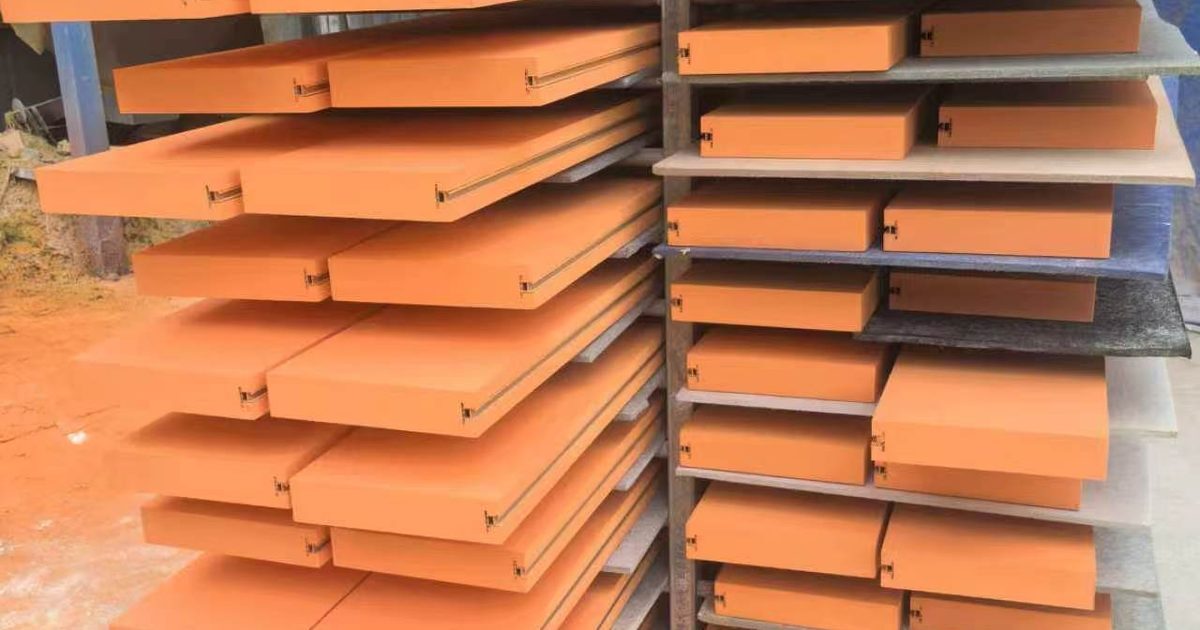
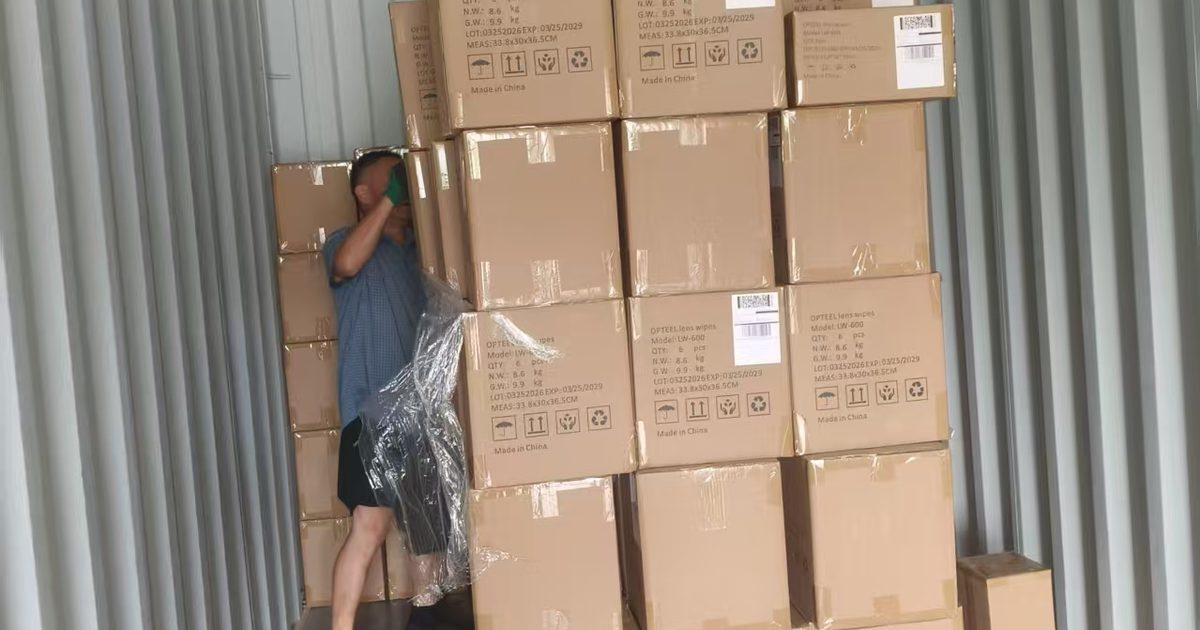
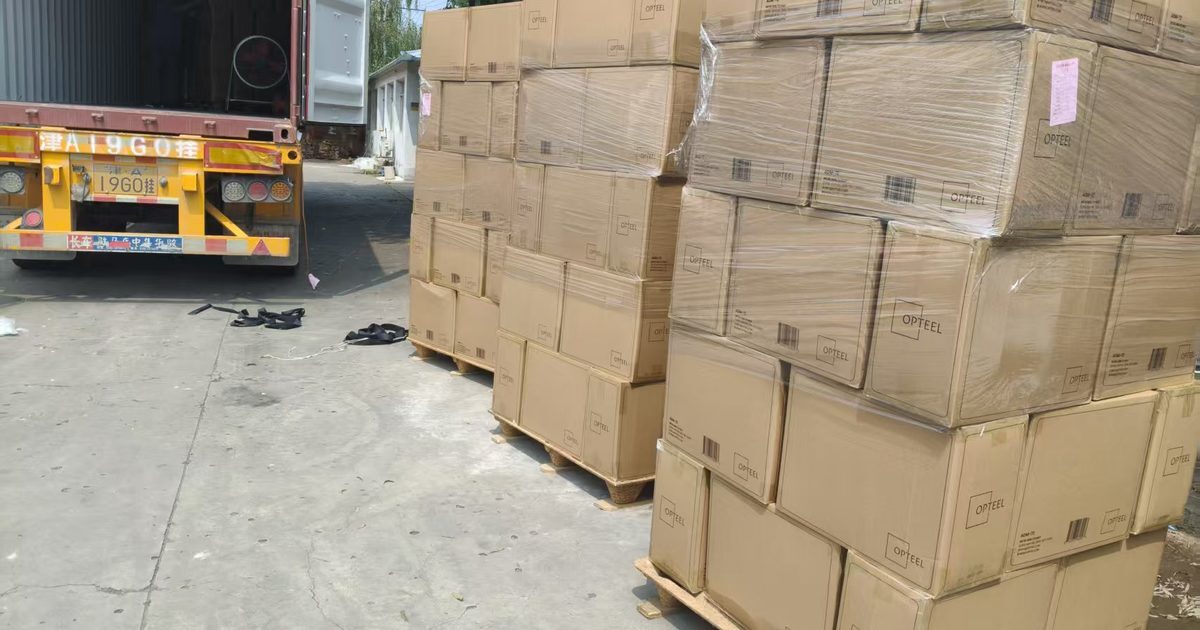
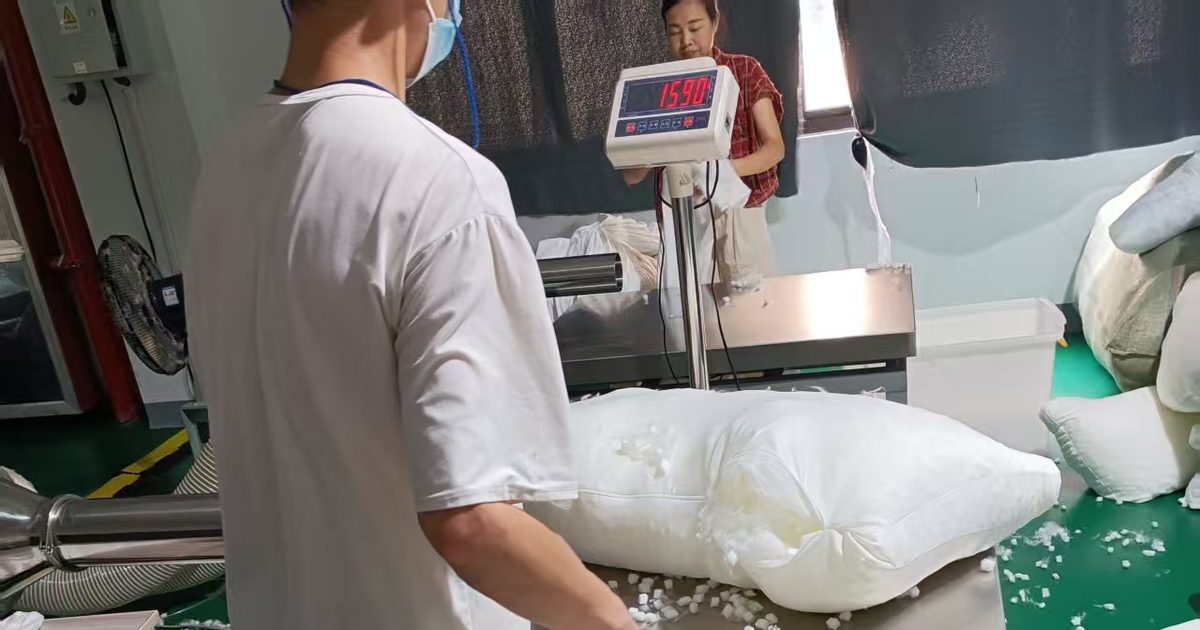
- Photographs with enough context to show the place, not stock marketing shots
- Visit notes: times, names, titles, what was claimed in the room
- Documents shown — and documents refused
- Open gaps kept on the page in plain language
Yellow is still a report. You went. You asked. Something is not closed yet. We do not tidy the gap away so the PDF looks prettier.
If the supplier refuses access, the refusal is a finding. I do not turn that refusal into a clean report. The refusal stays on the page. We do not write a speech calling them a criminal. We write that they would not let us in.
What "should show" means on a real floor
I am not selling a fantasy of a perfect factory. I am selling a clear record of what was available that day.
Should show when access is granted:
- Gate or building identity that you can match to the commercial address
- People who will sit and answer production questions, not only a sales script
- Some operating signal — power, materials, WIP, packing — that matches the claimed business
- Machinery and headcount that have a plausible relationship to the SKU volumes you discuss
- A coherent answer when you ask where finishing, plating, sewing, molding, or packing happens if it is not in the room you are standing in
Often shows up as an open gap (and stays on the page):
- Showroom-only access with no workshop walk
- "Sister factory" mentioned verbally, not named in writing
- Capacity claims that do not match what you can see
- Documents promised "tomorrow" that never arrive
- Payee or license name that does not match the door
Those gaps are why the check exists. A green sticker that ignores them is marketing. A yellow report that names them is useful.
How this sits next to reasonable care
Under 19 U.S.C. § 1484, the importer of record must use reasonable care when filing entry information. CBP's Reasonable Care publication explains that duty. An on-site check can be one concrete step toward knowing who makes the goods and where production happens.
Forced-labor enforcement makes China-side documentation sharper. CBP's UFLPA enforcement FAQs and June 2026 Forced Labor Enforcement Operational Guidance for Importers keep pointing at ordinary-course records, supplier roles, and readiness to show what you know about the chain. A $795 visit report can support that file. It cannot invent missing tiers. It cannot promise release. China Agent does not get anyone through CBP.
What the $795 covers — and what it does not
Covers: paper identity context plus an on-site check of the named facility you already have; a written field report; dated evidence of what was seen and what was unavailable; a clear next-step read for the buyer.
Does not cover: a guarantee that CBP, a retailer, or a bank will accept the file; a pass/fail quality inspection; filing of US entries; legal advice on classification, forced-labor defenses, or release strategy; finding you a different factory if this one fails the check.
Compare the paper-only $95 Supplier Reality Check when the entity or bank story is still unclear. Use the on-site check when the question is whether that named place is real production for your goods.
Live Due Diligence cards also describe deeper paper/legal verification tiers on the same path. Confirm current SKU names and turnaround on Due Diligence.
Walk-through of a typical on-site day (no invented drama)
I will not invent a named factory story. Here is the ordinary sequence when access is granted.
You introduce us to the supplier. We schedule. We show up at the address on your commercial file. We check whether the gate and the company name match what you already paid against. We ask to see production for your SKU family — not only the sample shelf. We ask who owns the company and who can decide on subcontracting. We ask for the papers they are willing to show that day: license, related chops, production or packing records if available.
Then we write what happened. Including delays. Including the room they would not open. Including the "we can arrange the other factory next week" line.
If access is limited to a showroom, the report says showroom. If the meeting is sales-only and production people never appear, the report says that. If machinery is present but idle with dust that looks undisturbed, we describe what we saw without turning it into a courtroom speech. The buyer decides what to do with the finding.
That is the product. Not theater. Not a release letter.
Claim-versus-floor tests I actually run
These are operational checks, not legal conclusions:
- Volume talk versus visible lines and headcount
- "In-house everything" versus process steps that clearly leave the building
- Export story versus whether the named legal person can sit on the commercial documents you already have
- Sample quality versus whether the floor can plausibly repeat that sample at order scale
Mismatch is information. It is not automatically fraud. It is a reason to slow the deposit, demand a named second facility, or walk. China Agent documents. You decide. Counsel and broker own US legal calls.
Pairing the $795 visit with Monthly Support
Buyers sometimes treat the visit as the end of China-side work. For one small PO, that can be enough. For recurring shipments, the snapshot goes stale.
Monthly Support from $995/mo (+ setup) is how you keep verification and documentation follow-up running across orders — new POs, new facilities, new payees — without pretending a single PDF covers the year. The $795 check answers "is this named place real for these goods today?" Monthly Support answers "who is watching the relationship while orders keep moving?"
Employee in China remains a separate door when you need a full-time person in that city. Soft path if you are unsure which door fits: WhatsApp or book a call.
After the snapshot — ongoing doors
One visit is a snapshot. Orders keep moving. Overflow facilities appear in peak season. New payees show up on wires. New SKUs land on old relationships.
If you need lighter ongoing eyes on the suppliers you already have, Monthly Support starts from $995/mo (+ setup). That is the primary ongoing door for most China Agent buyers who already passed the first check and want the trail kept current.
If you need a full-time person in that city who works only for you, that is the separate Employee in China door (salary at cost plus service fee). Neither door is sourcing. Neither door is a middleman margin. Both start from the factory you already chose.
Soft next step if you want to talk scope: WhatsApp or book a call. Bring thee supplier name and the SKU.
How to use the report
Keep it with the commercial documents and import records. Share it with your broker or counsel when they need supporting evidence of what you did on the China side. Use it when the goods move, and again if a hold or questionnaire shows up later.
Do not treat it as a release guarantee. A factory visit can support your reasonable-care file. It cannot replace your importer judgment, and it cannot replace the broker who files or the counsel who advises on US law.
If the report names a second facility, treat that as the next verification problem — not a footnote. See Your supplier may not make the goods for how to test the chain when subcontracting sits under the claim.
What to do
Ask about the $795 Factory Reality Check for the factory you already have — then decide whether ongoing eyes belong on Monthly Support.
- Scope and comparison: Due Diligence
- Paper-first if the entity is still fuzzy: Supplier Reality Check — $95
- Keep the file alive across orders: Monthly Support — from $995/mo (+ setup)
- Full-time person in that city: Employee in China
- Soft: WhatsApp · book a call
We do not source. We do not take factory commission. Confirm US customs requirements with your counsel or broker. We do not give US customs legal advice. We do not file entries.
FAQ
Q: What does the $795 Factory Reality Check include? A: Paper identity context plus an on-site check of the named facility you already have; a written field report; dated evidence of what was seen and what was unavailable; and a clear next-step read for the buyer. Confirm current scope and turnaround on Due Diligence.
Q: Is the $795 check a customs release or UFLPA pass? A: No. It supports your China-side file. It does not certify admissibility, forced-labor compliance, or release. China Agent does not get anyone through CBP.
Q: How is $795 different from the $95 Supplier Reality Check? A: $95 is paper-only (entity, address, scope, public signals, bank match). $795 adds a person at the named place with dated photos and visit notes. Paper first if the entity itself is still unclear.
Q: When should I choose Monthly Support after a visit? A: When orders keep moving and you need eyes between shipments — entity/payee drift, missing documents, planned follow-up visits. Monthly Support starts from $995/mo (+ setup). A visit is a snapshot. Monthly keeps the trail alive.
Q: What if the factory only shows the showroom? A: That limitation stays on the page as an open gap. We do not rewrite it into a clean factory visit. Decide with broker/counsel what that means for your file before you scale.
Q: Does China Agent source a new factory if this one fails? A: No. We verify the factory you already chose. We do not source, do not take factory commission, and do not act as a middleman.