
March 2026
China Agent
For the past seven years, companies have talked about leaving China.
The phrase became standard in boardrooms:
China +1
Move production.
Reduce risk.
Avoid tariffs.
And many companies did exactly that.
Assembly moved to Vietnam.
Factories opened in Thailand.
New facilities appeared in Mexico.
But something interesting happened along the way.
Most supply chains didn’t actually leave China.
They simply expanded around it.
The Reality Behind China +1
In theory, China +1 means diversifying manufacturing.
In practice, many supply chains now look like this:
Components manufactured in China.
Machinery and tooling built in China.
Engineers trained in China.
Final assembly performed somewhere else.
Vietnam, Malaysia, Cambodia, or Thailand.
The product ships to the United States labeled with a new country of origin.
But the industrial backbone of the supply chain remains Chinese.
This is not surprising.
China spent more than three decades building the deepest manufacturing ecosystem in the world.
Manufacturing Ecosystems Are Hard to Replace
A factory is easy to move.
An ecosystem is not.
China’s manufacturing advantage is not just labor.
It is density.
Within a few hours of Shenzhen, you can find suppliers for:
- plastics
- electronics
- metals
- motors
- packaging
- tooling
- specialized machinery
Those suppliers supply other suppliers.
Engineering talent moves between them.
Production problems get solved quickly because the entire ecosystem is nearby.
When production moves to another country, many of those components still come from China.
Why Companies Still Depend on China
Even when final assembly moves elsewhere, China continues to dominate several critical areas.
Tooling and machinery.
Industrial components.
Engineering capability.
Production speed.
Supplier density.
This is why many companies that attempted to leave China entirely eventually return for certain products.
Not because China is cheaper.
But because the ecosystem still works better.
The Mistake Many Importers Make
Some companies assume that moving assembly automatically changes their supply chain risk.
But if most components still come from China, the supply chain remains tied to China’s industrial base.
That can create unexpected issues.
Lead times may still depend on Chinese component suppliers.
Quality problems may require engineering support from Chinese partners.
Tariff exposure may still exist if the manufacturing process does not substantially transform the product.
The supply chain looks different on paper.
But the operational dependencies remain.
Where This Shows Up in Your Supply Chain
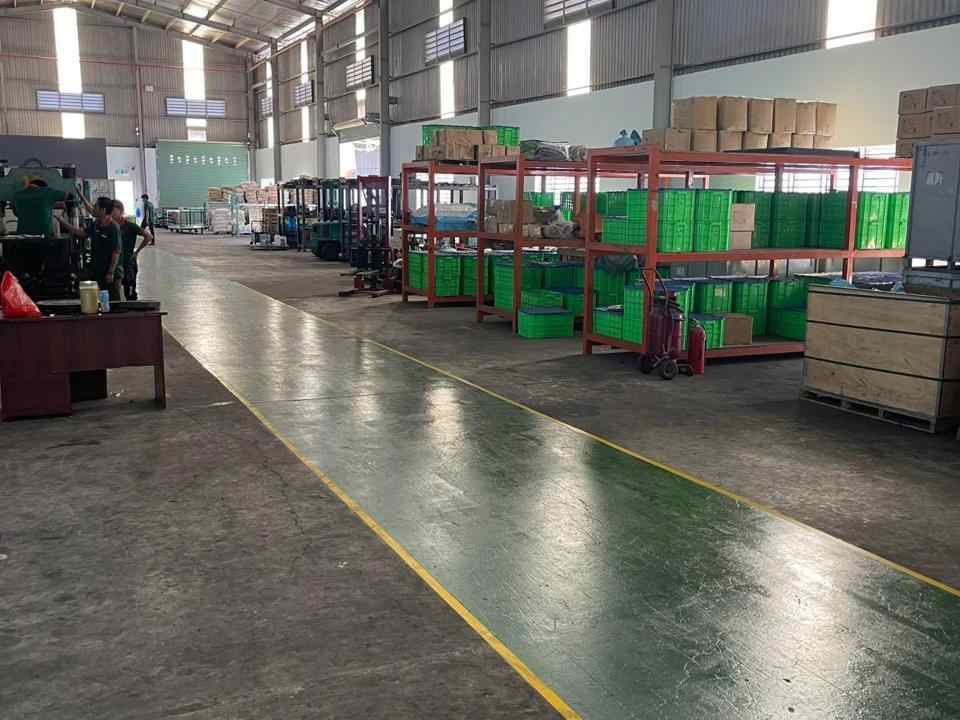
At the factory:
Assembly facilities outside China may depend heavily on Chinese component suppliers.
At the supplier level:
Critical inputs still originate from Chinese industrial clusters.
At the logistics stage:
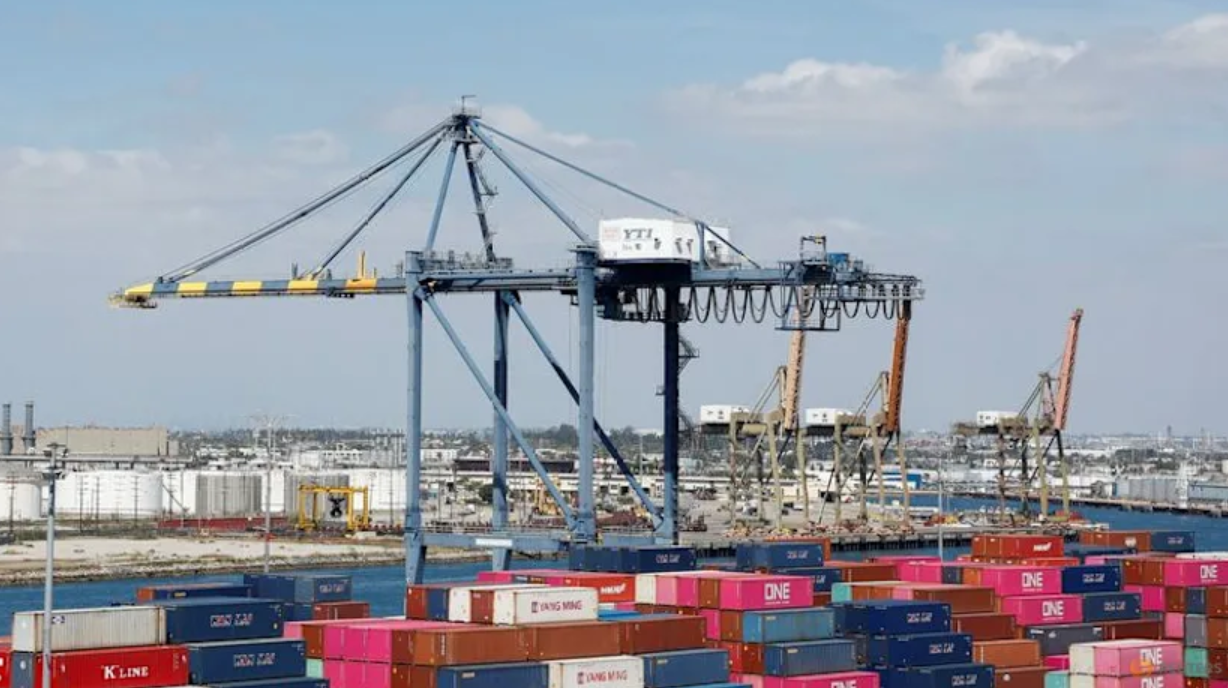
Goods often move through Chinese ports or rely on Chinese shipping networks.
At the engineering level:
Product development frequently still happens in China.
The supply chain may appear diversified.
But the operational reality is often more complex.
What Importers Should Do Now
China +1 is not a bad strategy.
But it needs to be implemented with a clear understanding of how manufacturing ecosystems actually work.
Importers should focus on:
Understanding where components are produced.
Mapping supplier networks.
Verifying production capacity at new factories.
Evaluating which parts of the supply chain truly moved — and which did not.
Building supply chains based on operational reality, not assumptions.
Companies that understand their supplier networks can diversify successfully.
Companies that move production without understanding the ecosystem often discover new risks they did not anticipate.
The Bottom Line
China +1 did not replace China.
It rebuilt supply chains around China’s industrial ecosystem.
For many products, China still provides the deepest supplier networks, the fastest engineering cycles, and the most reliable production infrastructure.
Diversification will continue.
But the companies that succeed will be the ones that understand how global supply chains actually function — not just where the final assembly happens.
FAQ
Q: Is manufacturing leaving China?
Some final assembly has moved to other countries, but many supply chains still depend on Chinese components and industrial ecosystems.
Q: Why do companies still rely on Chinese suppliers?
China has dense supplier networks, engineering expertise, and manufacturing infrastructure that many countries are still developing.
Q: Does China +1 eliminate tariff exposure?
Not necessarily. Tariffs depend on country-of-origin rules and substantial transformation standards.
Q: Should companies stop sourcing from China?
Not necessarily. Many companies now build hybrid supply chains that combine Chinese manufacturing with production in other countries.