
China’s Record Trade Surplus
So why do factories feel like business is slowing down?
China just reported another record trade surplus.
Depending on how you count it, the annual goods surplus is approaching USD 1 trillion, with monthly numbers repeatedly above USD 90–110 billion.
Exports up.
China strong again.
Trade engine running.
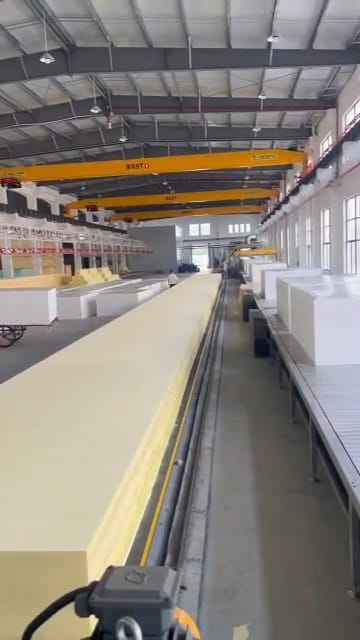
Then you step into factories.
Lines half empty.
Smaller POs.
Lower volumes.
Factories that are usually booked solid before Chinese New Year are asking for work.
So the real question isn’t what happened.
It’s this:
How can China’s data say “up” while factories say “down”?
The surplus is real.
It came from a few clear places:
- Strong exports in concentrated sectors
- Large exporters with financing and policy support
- Rerouted exports into alternative markets
- Weak domestic demand keeping imports low
Exports moved.
Imports didn’t.
That’s how you get a surplus.
But here’s the first thing buyers need to understand:
A trade surplus is an average.
Factories live in specifics.
Where the surplus actually comes from — and where it doesn’t
The surplus is not spread evenly.
It’s driven by:
- A small number of large exporters
- Capital-heavy industries
- Policy-backed sectors
- Companies with access to credit and rebates
These companies are shipping volume.
They are not the factories most international buyers work with.
The private, mid-size, export-focused factories — the ones China Agent deals with — are in a different place.
Now the real question: why do factories feel slow?
Because demand, for most factories, is softer.
On the ground we see the same pattern:
- Smaller POs
- Less commitment
- More test orders
- Decisions pushed past CNY
- Weak local demand
- Export inquiries that don’t convert
Factories aren’t overloaded.
They’re underutilized.
That’s the paradox.
China can export more overall while most factories feel less secure.
Trade wars don’t stop factories. They slow buyers.
Tariffs don’t shut production overnight.
They slow confidence.
And hesitation shows up fast:
- reduced order sizes
- shorter planning cycles
- price pressure without volume
- delayed decisions
- “let’s wait and see”
Factories feel this immediately.
So even while exports flow somewhere, most factories feel the slowdown where it matters — on their own lines.
What hungry factories do differently
This is where buyer risk actually increases.
When factories are busy, they cut corners to move volume.
When factories are hungry, they cut corners to survive.
That looks like:
- saying yes too quickly
- accepting specs they can’t really hold
- hiding problems to keep the order alive
- delaying bad news
- subcontracting quietly
- overpromising before CNY
Not because they want to cheat.
Because empty lines kill factories.
Why smaller orders don’t automatically mean lower risk
Buyers often think smaller orders are safer.
Often they’re not.
Smaller POs mean:
- lower priority
- less supervision
- more temptation to mix orders
- cheaper inputs used quietly
- less willingness to absorb mistakes
A factory that needs work will take your order.
That doesn’t mean it will protect it.
So what’s really happening?
Here’s the clean version:
China’s trade surplus is rising because exports are concentrated.
Most factories feel weaker demand because buyers are cautious.
Both things can be true — and they are.
The surplus tells you about flow.
Factories tell you about stress.
Buyers should listen to factories.
What this means for buyers right now
This is not the moment to relax because “China is strong.”
It’s the moment to tighten control.
Hungry factories don’t push back.
They agree — and fix later.
That’s where surprises come from.
How smart buyers operate in this environment
Good buyers adjust in three ways:
- They don’t confuse eagerness with capability
Fast yes doesn’t mean safe yes.
- They increase oversight when factories look quiet
Idle capacity is not protection.
- They rely on structure, not mood
Clear specs.
Clear contracts.
On-ground presence.
Inspection before shipment.
No inspection.
No load.
Final perspective
China’s record trade surplus is real.
But it doesn’t describe the reality most buyers live in.
The factories you deal with aren’t booming.
They’re cautious.
They’re flexible.
They’re hungry.
That flexibility can work for you — or against you.
The difference is control.
China Agent works inside this gap —
between macro headlines and factory reality.
That’s where buyer risk actually lives.