
The Strait Reopened. Your Chinese Factory Adjusted Weeks Ago. Did You?
A Deal in Washington. A Recovery That Runs Through Your Factory.
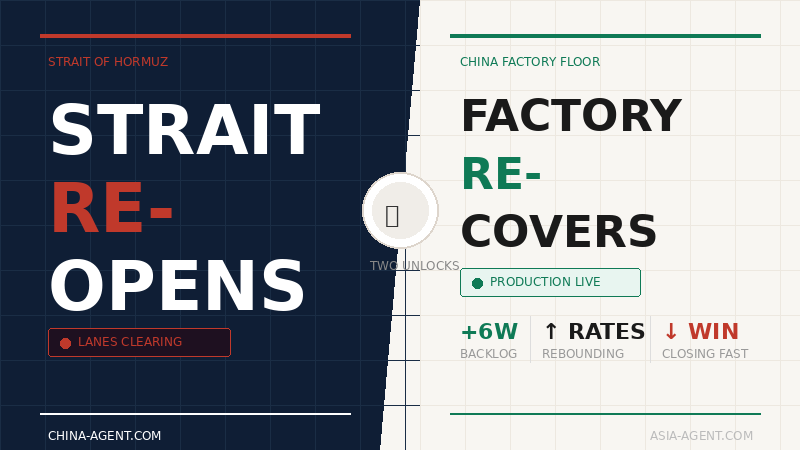
This week the US and Iran signed an agreement to reopen the Strait of Hormuz after nearly four months of conflict that throttled one of the world's most important shipping chokepoints. The blockade is lifted. The strait is reopening. The headline says the disruption is ending.
But the disruption didn't happen in Washington, and neither will the recovery. It happened — and is still happening — in the shipping lanes, the ports, the freight networks, and on the floors of the factories that make your goods. And here's the thing most buyers managing a Chinese supplier from a desk thousands of miles away haven't reckoned with: your factory has been living inside this disruption in real time for months, adapting to it as it unfolded, while you've been reading about it.
The question the reopening raises isn't "is it over." It's "have you been as close to this as your factory has?" Because the recovery — which experts say will take weeks to clear the backlog and potentially until 2027 for full normalization — is going to be navigated on the ground, where your factory is, not in the headline where you are.
What Your Factory Already Knows That You Might Not
A Chinese factory operating through a months-long shipping disruption doesn't get to wait for the headline. They've been dealing with the consequences daily: shifting freight costs, scrambled schedules, capacity uncertainty, energy price pressure, and the practical work of getting goods out the door when the shipping environment is in flux.
That means, right now, your factory likely knows things about your supply chain's real condition that you don't:
The real state of freight on your lanes. Your factory and its freight partners have been booking, rebooking, and absorbing the actual cost and availability of shipping throughout the disruption. They know what's really happening with rates and space far more concretely than a buyer reading market summaries from abroad.
Where your goods and materials actually stand. Through a disruption, inventory positions, material availability, and production schedules shift. The factory knows the real picture — what's delayed, what's staged, what's waiting — in a way that the optimistic status updates flowing to a distant buyer may not fully convey.
How the recovery is actually unfolding locally. As the strait reopens and capacity redeploys, the practical effects show up first at the factory and port level — in what can actually be booked, at what cost, on what timeline. Your factory is seeing the real recovery before it appears in any headline or market report.
The buyer who's close to the factory has access to all of this. The buyer who's managing by email and assuming the headline is reality is operating on a delay — learning the truth weeks after their factory already knew it.
Why Proximity Matters Most Exactly When Things Break
In stable times, distance from your factory is survivable. Goods get made, ship on schedule, arrive as expected, and managing the relationship from afar mostly works. The cracks don't show.
Disruption is when distance becomes expensive. When the shipping environment is in flux, when costs are moving, when schedules are uncertain, the buyer who has real presence and a real relationship with their factory has an enormous advantage over the buyer who doesn't. They get accurate information faster. They can make decisions based on what's actually happening rather than what they hope is happening. They can adjust in step with their factory rather than weeks behind.
This is the underappreciated truth about supply chain disruptions: they reward proximity and punish distance. The disruption itself — the Hormuz closure, the recovery, whatever comes next — is largely outside your control. What's inside your control is how close you are to the people and the operation actually navigating it on your behalf. A buyer plugged into their factory's real situation moves through a disruption with information and options. A buyer who isn't moves through it with headlines and hope.
The Hormuz recovery is just the current example. The principle holds for every disruption: the closer you are to the ground, the better you navigate it.
The Recovery Is Not the Moment to Pull Back
There's a temptation, when a disruption appears to resolve, to relax — to treat the signed deal as permission to stop paying close attention. That instinct is backwards.
The recovery period is precisely when staying close matters, because it's the period of maximum uncertainty in the actual operating environment. Freight rates are settling unpredictably. Capacity is redeploying. Schedules are finding their footing. The gap between "the headline says normal" and "the factory floor says still recovering" is at its widest during recovery — and that gap is exactly where a distant buyer gets caught, making commitments based on an assumed normal that hasn't actually arrived.
The buyers who come through this well will be the ones who stayed close through the recovery, not just through the crisis — who kept getting real information from the ground while their competitors filed the problem as solved and looked away.
How to Stay Close When It Counts
Concrete steps for the recovery period and beyond.
Get real information, not status updates. The optimistic "everything's on track" message from a supplier is not the same as an accurate picture of your goods' actual status and the real shipping conditions. During a recovery, you need the genuine state of things — which requires either real presence at the factory or someone on the ground who gets you the truth rather than the reassurance.
Verify timelines against reality. Don't accept that production and shipping are back to normal because the headline says the strait reopened. Confirm what's actually achievable — real production timelines, real shipping availability, real costs — for your specific goods, on the ground, before you make commitments based on them.
Plan with your factory, not around it. The factory navigating the recovery in real time is your best source of intelligence about what's actually possible right now. A buyer who treats the factory as a partner in planning through the recovery gets better outcomes than one who issues expectations from a distance and hopes they're met.
Build the proximity now, for next time. This disruption will end, and another will come — they always do. The buyers who navigate disruptions well are the ones who built real presence and real relationships before they needed them. Proximity isn't something you can manufacture in the middle of a crisis. It's something you have or don't when the crisis hits.
A Note Going Forward
This is a fast-moving situation, and the specifics of the reopening will keep evolving over the coming weeks. The durable point is about how a buyer relates to their factory through disruption: the recovery happens on the ground, the factory is closer to it than you are, and the buyers who stay close navigate it better. We're tracking how the reopening progresses, because the gap between the headline and the factory-floor reality is exactly where supply chain decisions go right or wrong.
The lesson isn't really about Hormuz. It's that disruptions reward the buyers who are close to their factories and punish the ones who aren't. This one will pass. The principle won't.
What China Agent Does
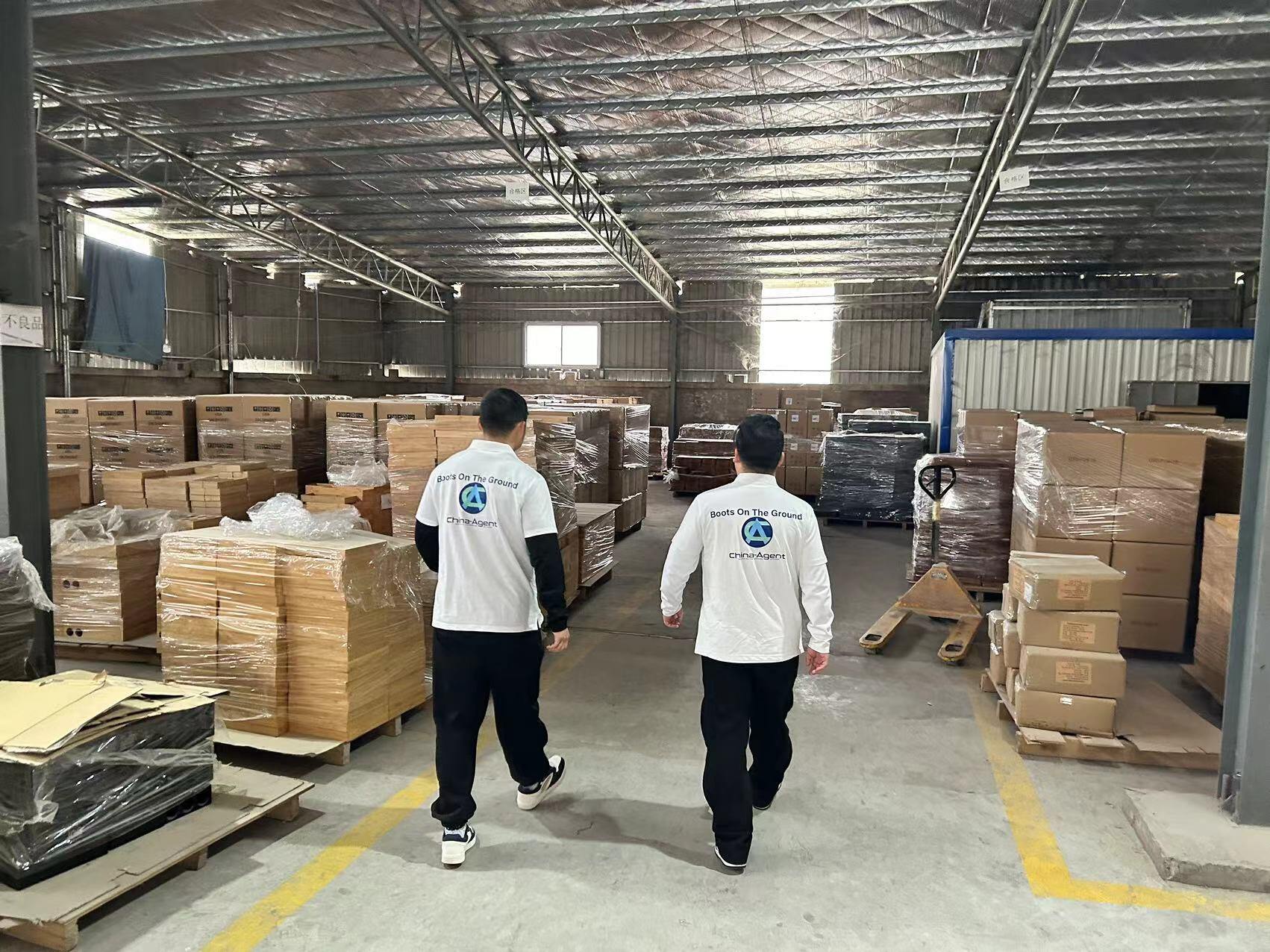
China Agent provides on-the-ground factory relationship management in China. We are the proximity a distant buyer otherwise lacks — present at the factory, in the relationship, getting you the real picture of your goods, your timelines, and your shipping conditions rather than the optimistic version.
When a disruption hits and the headline diverges from the factory-floor reality, we're the ones who tell you what's actually happening, so you can plan with your factory instead of guessing from afar. We connect you directly to the factory, with no middleman in between.
Our rule is simple: No inspection, no load. No customs readiness, no ETD.
Frequently Asked Questions
The Strait of Hormuz is reopening — is the disruption to my China supply chain over? The political resolution is in place, but the operational recovery is not instant. Clearing the shipping backlog is expected to take weeks, and full normalization could take much longer. More importantly, the recovery is being navigated on the ground — in shipping lanes, ports, and factories — not in the headlines. Your Chinese factory has been adapting to the disruption in real time and is closer to its actual state than a buyer reading market summaries from abroad.
Why does the Hormuz disruption affect my China shipments if they don't go through the strait? Because shipping and energy markets are interconnected. The strait is a major energy chokepoint, and months of disruption raised fuel costs that feed into ocean freight rates on every lane, including China-to-US routes. A months-long disruption at a major chokepoint also displaces vessels and capacity across the global network. The effects reach your China shipments indirectly through freight costs and capacity, even though your goods never transit the strait.
What does my factory know about the disruption that I might not? A factory operating through the disruption has been dealing with its consequences daily — the real state of freight rates and space on your lanes, the actual position of your goods and materials, and how the recovery is unfolding locally as capacity redeploys. This ground-level knowledge is more current and concrete than what a distant buyer learns from market reports, meaning the factory often knows your supply chain's real condition weeks before you do.
Why does being close to my factory matter more during a disruption? In stable times, managing a factory from a distance mostly works because goods are made and shipped on schedule. Disruption is when distance becomes costly: with freight conditions in flux and schedules uncertain, the buyer with real presence and a strong factory relationship gets accurate information faster and can make decisions based on reality rather than hope. Disruptions reward proximity and punish distance, which is why closeness matters most exactly when things break.
Should I relax my oversight now that the deal is signed? No — the recovery period is when staying close matters most, because it is the period of maximum uncertainty in the actual operating environment. Freight rates are settling unpredictably, capacity is redeploying, and the gap between the headline saying normal and the factory floor still recovering is at its widest. A buyer who relaxes during recovery risks making commitments based on an assumed normal that has not actually arrived.
How do I get accurate information during the recovery instead of optimistic updates? Recognize that a supplier's reassuring status update is not the same as an accurate picture of your goods' real status and actual shipping conditions. Getting the truth requires either real presence at the factory or someone on the ground who provides the genuine state of things rather than the comfortable version. Verify production and shipping timelines against on-the-ground reality before making commitments, rather than accepting that everything is normal because the headline says so.
How can I be better prepared for the next supply chain disruption? Build real presence and relationships with your factory before you need them. Proximity cannot be manufactured in the middle of a crisis — the buyers who navigate disruptions well are those who already had closeness to the ground when the disruption hit. Since disruptions are recurring and inevitable, establishing genuine factory relationships and reliable on-the-ground information during stable times is what positions you to navigate the next disruption with information and options rather than headlines and hope.