

Why Price Stability Is Harder to Achieve in 2026
April 2026
China agent Ltd.
Prices are not just going up.
They are becoming harder to stabilize.
That’s the real shift in 2026.
The wrong expectation
Most buyers still expect pricing to behave like this:
- quote → negotiate → fix → produce
That assumes one thing:
the cost base is stable
That assumption no longer holds.
What changed
Price stability depends on three layers:
- inputs
- logistics
- structure
All three are moving at the same time.
Layer 1: Inputs are unstable
Energy volatility is feeding directly into:
- plastics
- chemicals
- metals
- processing
Costs are no longer predictable.
They are moving continuously.
Layer 2: Logistics is no longer fixed
There is no major disruption.
But there is constant adjustment:
- route changes
- fuel costs shifting
- insurance premiums increasing
- transit variability
Logistics doesn’t break.
It drifts.
Layer 3: Structure is changing
Suppliers are adjusting how deals are built:
- shorter validity
- conditional pricing
- deposits before commitment
- flexible terms
This changes how price is defined.
Why this matters
Price stability requires:
- fixed inputs
- predictable logistics
- defined structure
Remove any one of these — pricing weakens.
Remove all three — pricing becomes unstable.
What buyers are actually experiencing
Not a single price increase.
But:
- prices that expire quickly
- prices that depend on timing
- prices that can change after commitment
This is not volatility.
It’s instability.
The compounding effect
Each layer adds small uncertainty:
- material cost moves
- shipping cost shifts
- supplier adjusts
Individually manageable.
Together, they make price difficult to lock.
Why this is happening now
Because multiple forces are aligned:
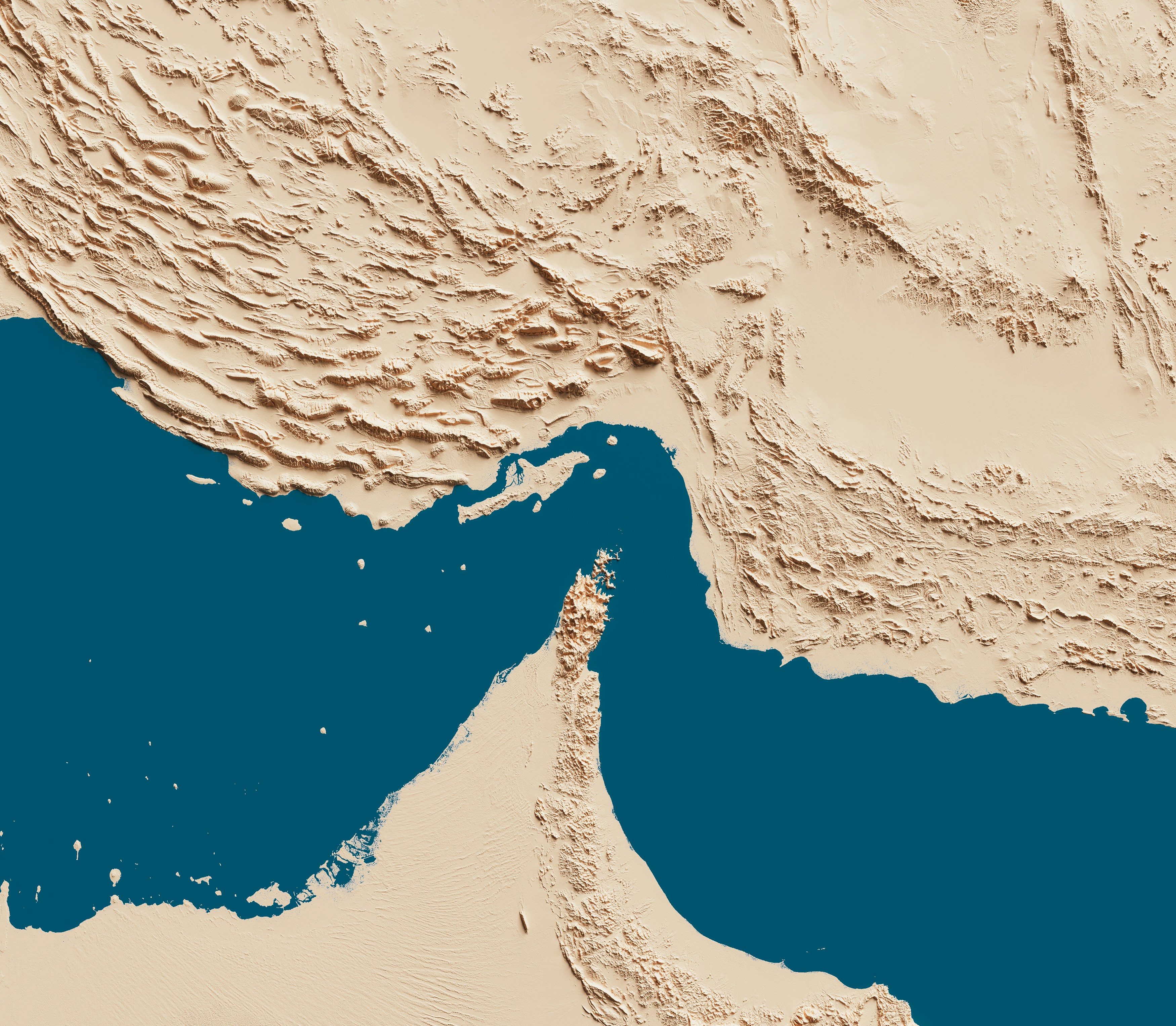
- geopolitical risk (energy routes)
- supply chain fragmentation
- shifting demand cycles
- supplier margin pressure
This creates continuous adjustment.
Why this is harder to manage
Because nothing breaks.
There is no clear trigger.
- no shutdown
- no major disruption
- no visible crisis
Just constant movement.
The illusion of control
Buyers feel in control because:
- suppliers respond
- quotes are provided
- production moves
But control requires:
- stable inputs
- fixed structure
- predictable outcome
Those are no longer guaranteed.
What price actually means now
Price used to represent cost.
Now it represents:
- cost + timing
- cost + risk
- cost + uncertainty
So price becomes:
a temporary position, not a fixed point
Where most supply chains fail
Not at negotiation.
Not at production.
They fail at alignment.
- inputs vs price
- timing vs cost
- documents vs reality
When these drift, stability breaks.
What control requires now
Control is no longer about getting a number.
It’s about stabilizing the system behind the number.
- understanding inputs
- aligning timing
- structuring commitments
- monitoring changes
China Agent perspective
Price instability is not a pricing problem.
It is a system problem.
Suppliers are not creating it.
They are passing it through.
Final thought
2026 is not defined by higher prices.
It is defined by harder-to-control prices.
Buyers who expect stability from the market will struggle.
Buyers who build stability into their process will adapt.
FAQ
1) Are prices increasing everywhere?
Not always directly, but stability is decreasing.
2) Why is price harder to fix now?
Because inputs and logistics are unstable.
3) Is this caused by suppliers?
No — suppliers are reacting to upstream changes.
4) What is the main driver?
Energy, materials, and supply chain complexity.
5) Is this temporary?
Usually cyclical, but more frequent.
6) What is the biggest risk?
Committing before price is stabilized.
7) Can contracts solve this?
Only if structure is clearly defined.
8) What should buyers focus on?
Inputs, timing, and commitment structure.
9) Why does timing matter more now?
Because cost changes over time, not just per unit.
10) What is the key shift?
From fixing price to managing price stability.