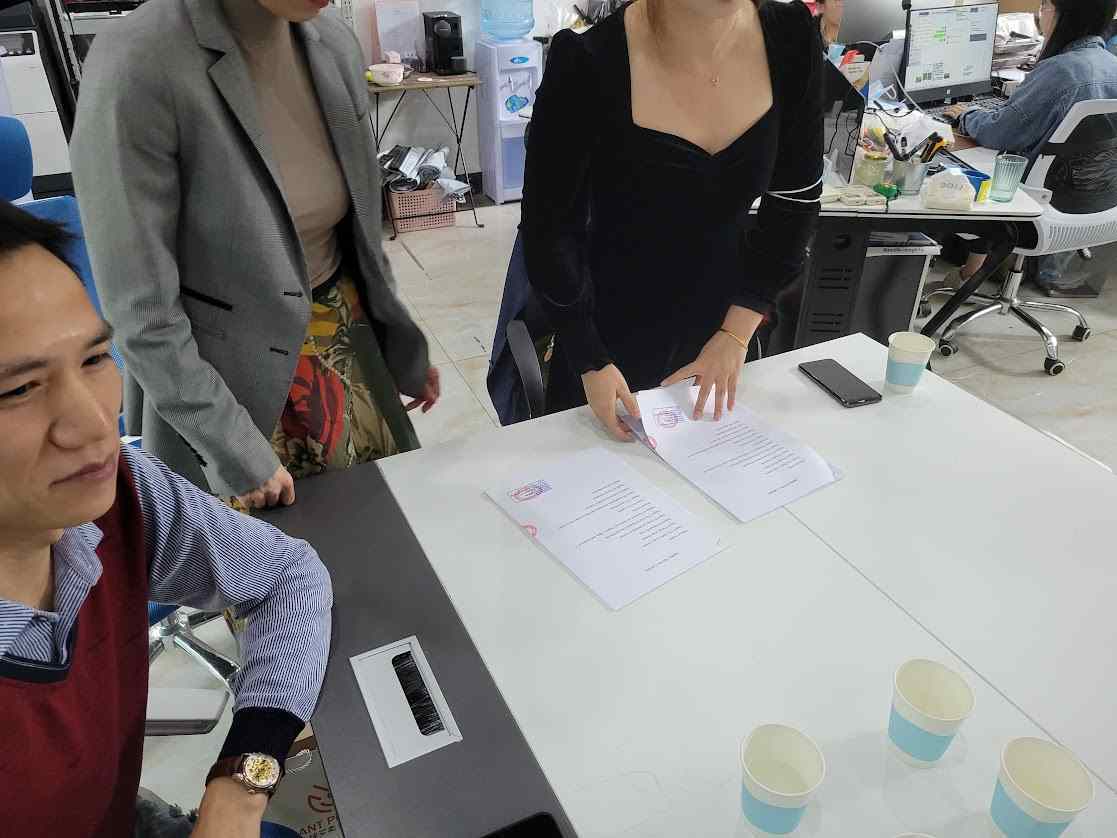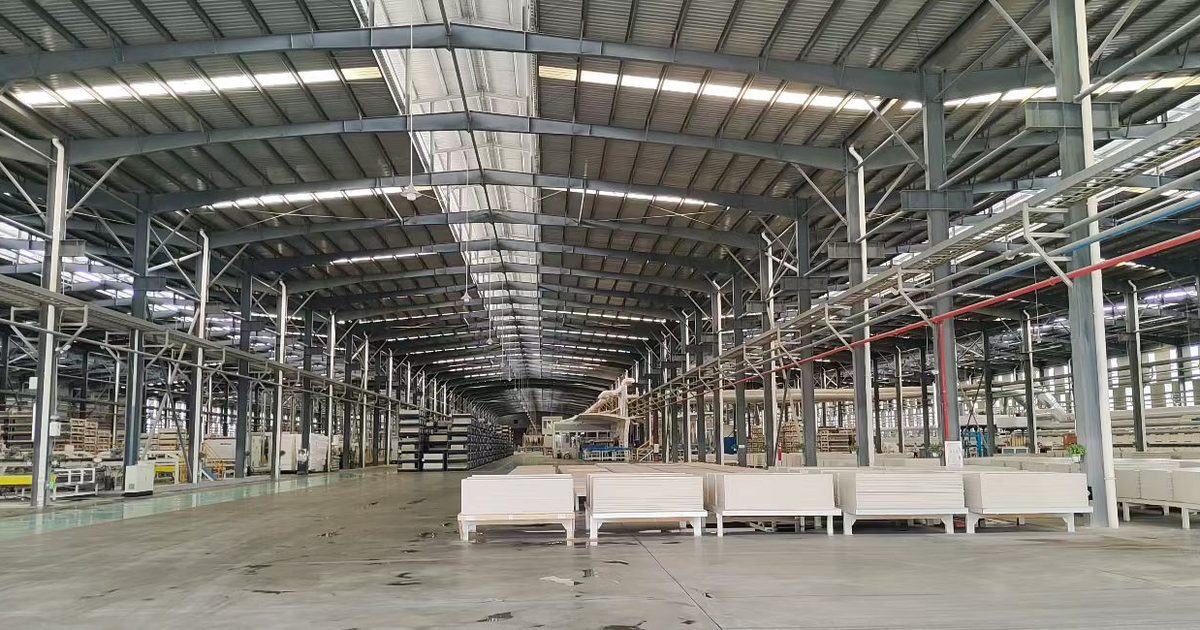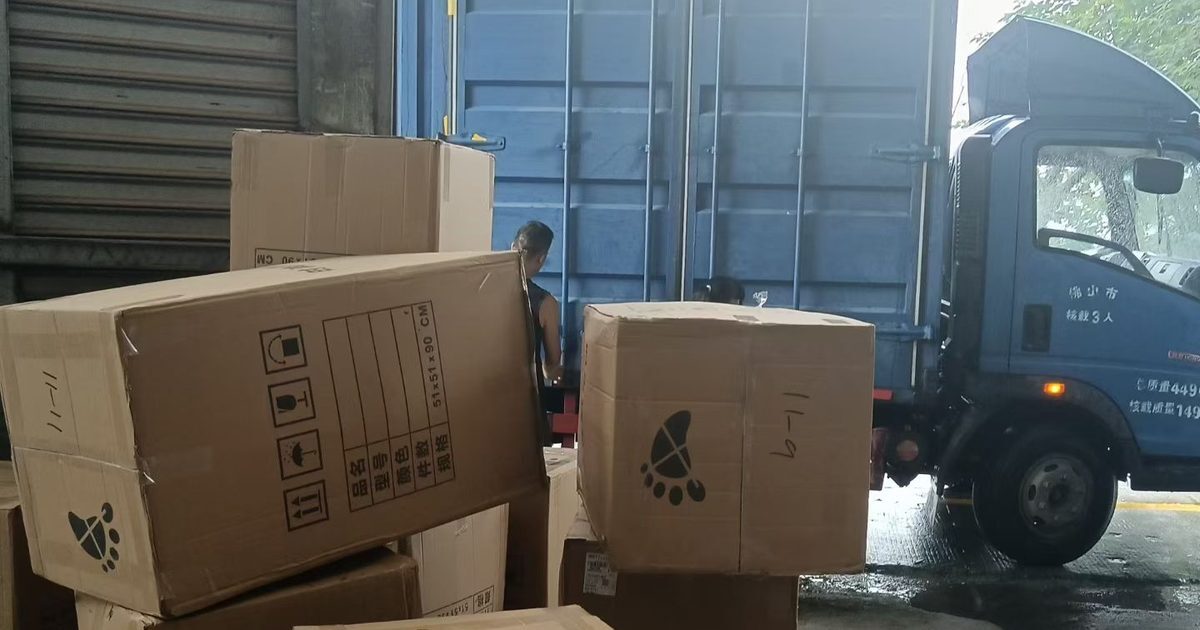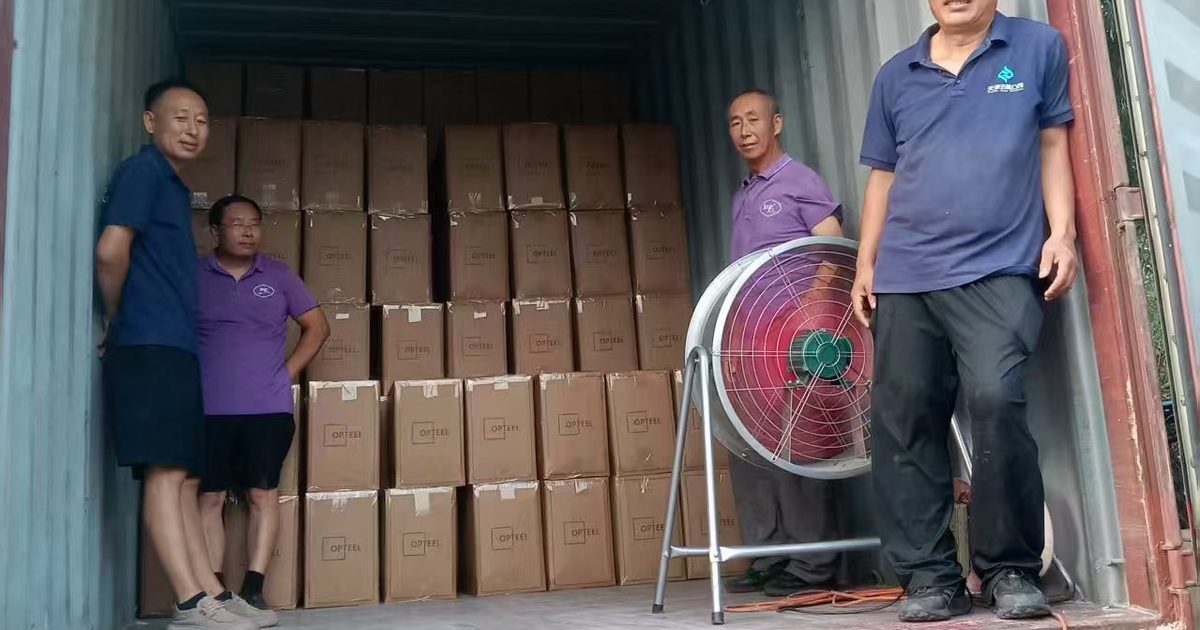

Before you wire a deposit to a Chinese supplier, make sure one company shows up everywhere: on the business license, in China's public registry, on your contract and on the bank account you're paying. If the names don't match, the money waits. Here are the 10 things I'd confirm first, and what a bad answer looks like.
You already picked this supplier. The samples look right and the PI is sitting in your inbox. Now look at the names. The one you've been emailing for two months can turn out to be a different company from the one on the license, and the bank account can belong to somebody else again.
Once a deposit lands in China, pulling it back is slow and uncertain. So do this part before the wire, with the papers in front of you. Print this list and mark each item as you go.
The 10 things to confirm before the money leaves
-
Get the full Chinese business license.
How: Ask for a clear scan or photo of the whole license (营业执照), not a cropped English version. Write down the Chinese legal name, the Unified Social Credit Code (统一社会信用代码), the legal representative, the registered address and the business scope. You'll need every one of them for the next nine steps.
Red flag: An English "company certificate," a trade show badge, or a license with the code blurred out.
-
Look the company up in China's public registry.
How: Search the credit code on the National Enterprise Credit Information Publicity System, known as GSXT, at gsxt.gov.cn. The Chinese name, legal representative and address should match the license. The status should read as operating (存续 or 在业). The site is in Chinese and doesn't always load from outside China, so give it a few tries.
Red flag: No record at all, a different name under the same code, or a status of deregistered (注销) or revoked (吊销).
-
Read the business scope against your product.
How: The scope (经营范围) lists what the company is licensed to do. A company that makes things usually has words like 生产 (production), 制造 (manufacturing) or 加工 (processing) next to your product category.
Red flag: The scope covers trading, tech services or "supply chain management" and says nothing about making your product. That supplier can still be a fine trader. It is not the factory it told you it was.
-
Confirm the seller on the PI is the company on the license.
How: The PI, the sales contract and the company chop (公章) should all carry the same Chinese legal name. Ask for the Chinese name on the contract, printed next to the English one, and compare the chop to the license.
Red flag: A contract with only an English name on it, or a chop that belongs to a different company from the license.
-
Confirm the bank account belongs to that same company.
How: The beneficiary on the wire instructions should be the licensed company, in its registered name. Compare it letter by letter, not by eye. A missing word like "Industrial" or "Trading" means a different company.
Red flag: A personal account, a related company, or an offshore or Hong Kong company with a different name. Treat each one as a no until the supplier explains it in writing and the explanation holds up.
-
Confirm any change of bank details by voice.
How: If the account changes after you've agreed on the deal, call or video a person you already know at the supplier, on a number you already have. Never confirm a new account by replying to the email that announced it.
Red flag: "Our account is under audit, please pay the new one," sent just before the payment is due. The FBI's Internet Crime Complaint Center calls this business email compromise: someone takes over or fakes a real email account to redirect a transfer. If money has already gone out, the FBI's advice is to call your bank right away and ask for a recall.
-
Get "factory or trader" in writing.
How: Ask one plain question by email. Are you the manufacturer? If not, name the factory and the address where production happens.
Red flag: "We are factory and trading," with no factory name, or a factory name that never shows up on any paper. Buying from a trader is legal. Being told a trader is a factory is where the trouble starts.
The full test is here: Real factory or trading company? 8 things to confirm.
-
Match the addresses.
How: Put the registered address, the office or showroom address and the production address side by side. Look each one up on a map. If they differ, get the reason in writing.
Red flag: The "production address" is an office tower, a residential building, or a place nobody will let you visit.
-
Look for lawsuits and unpaid judgments.
How: Chinese court and enforcement records are public, but they're in Chinese and spread across several government sites. Search by the Chinese legal name, never the English one.
Red flag: The company is a defendant in contract or unpaid-supplier cases, or it's on the list of dishonest judgment debtors (失信被执行人), which means a court ordered it to pay and it didn't.
-
Size the deposit to what you've actually confirmed.
How: Before you pay, put the specs, quantity, price and delivery date in the PI, plus what happens to the deposit if they miss the date. If you're still early with this supplier, a smaller first order or a paid sample run tests the product and the relationship before a big wire.
Red flag: Pressure to pay today for a price that "expires," or a refusal to put the deposit terms in writing.
If you want the long version of why the license, the PI and the bank account have to tell one story, I wrote it up here: The license, the PI, and the bank account must tell the same story.
Why this is your job
US law puts this on you. Under 19 U.S.C. § 1484, reasonable care sits with the importer of record. CBP's Reasonable Care publication and its June 2026 Forced Labor Enforcement Operational Guidance for Importers both expect you to know who is in your chain.
The July 2026 DOJ and DHS Resource Guide to Trade Fraud Enforcement cites a court case, United States v. Golden Ship Trading Co., for a simple point: relying on the exporter or your broker doesn't take that duty off you.
What that means in practice: if the paper story falls apart later, "the supplier told me" won't cover you. Knowing who you're paying before the deposit is the cheapest version of that duty you'll ever get.
What to do when something doesn't match
Don't wire. Write to the supplier, name the mismatch, and ask for the explanation in writing. A real company with a boring reason can give you one. A supplier that gets angry, rushes you or changes the story has told you what you needed to know.
If you'd rather have someone who reads Chinese records do the paper side, our Supplier Reality Check gives you a written verdict in two business days for $95.
If the paper looks clean and you still don't know who's making your goods, paper won't settle it. Someone has to go to the address. The Factory Reality Check is that visit, in person, for $795. It's one part of our supplier due diligence work.
A client of ours was buying direct from a factory. On our client's behalf, we sent the PO with the factory's business license and asked for bank details for the deposit.
What came back was a different license, and an excuse.
We didn't want to lose a good factory, so we asked for workshop photos and video on WeChat. Then the client sent his own person to the factory. The boss was ashamed. The license had never changed. His own merchandiser was trying to redirect the deposit to himself. The boss called the police.
The factory was real. The fraud was inside it.
The client placed the order at 1% deposit and 99% against the bill of lading. We negotiated those terms. The client never had more than 1% at risk.
Send the company name, the address they gave you and the bank details on WhatsApp before the money moves, and we'll tell you what we'd want answered first.
Message us on WhatsApp Book a call
Buying from this supplier every month? That's what Monthly Support is for. Want your own person at the factory? Employee in China.
We don't find you a replacement supplier or take a cent from any factory. Customs questions go to your broker or counsel.
Frequently asked questions
What should I verify before paying a deposit to a Chinese supplier?
Verify that one company appears everywhere: on the Chinese business license, in the GSXT public registry, on the PI or contract, and as the beneficiary on the wire instructions. Also confirm that the business scope covers your product, whether the supplier is the factory or a trader, and where production actually happens. China Agent's Supplier Reality Check gives a written verdict in two business days for $95.
Is it safe to pay a Chinese supplier through a personal bank account?
No, not until the supplier explains it in writing and the explanation holds up. The beneficiary should be the licensed company in its registered Chinese name. A personal account, a related company or an offshore company with a different name means the company you contracted with is not the one receiving your money.
What should I do if my Chinese supplier changes its bank details before I pay?
Stop and confirm the change by phone or video with a person you already know at the supplier, using contact details you already have. Do not confirm it by replying to the email that announced the change. If a fraudulent transfer has already gone out, the FBI's Internet Crime Complaint Center advises contacting your bank immediately and requesting a recall of the funds.
How can I tell if a Chinese supplier is a real factory before I pay?
Read the business scope on the license for manufacturing terms, compare the registered address with the production address, and ask the supplier in writing whether it manufactures or trades. If paper cannot settle it, someone has to visit the production address. China Agent's Factory Reality Check is an in-person visit for $795.
Where does China Agent have people for factory visits?
China Agent has people in Guangzhou, Foshan, Yiwu, Shenzhen and Jinan. We work there through our hubs, legally registered in each city. Visits are next day for most of Guangdong and Zhejiang. Shandong and other provinces such as Fujian and Jiangsu take one to three days, sometimes with a small travel surcharge.
Does verifying my Chinese supplier protect me with CBP?
It supports your file, but it promises nothing about any shipment. Under 19 U.S.C. 1484, reasonable care sits with the importer of record, and relying on the exporter or broker does not remove it. Knowing who you are paying is part of that duty. Your customs broker files the entry, you certify it, and CBP decides admissibility.
Sources
- CBP, Forced Labor Enforcement Operational Guidance for Importers, June 2026
- CBP, Reasonable Care, Informed Compliance Publication
- 19 U.S.C. § 1484 (reasonable care), United States Code
- DOJ and DHS, A Resource Guide to Trade Fraud Enforcement, July 2026 (cites United States v. Golden Ship Trading Co., 25 C.I.T. 40, 48 (2001))
- FBI Internet Crime Complaint Center, Public Service Announcement on Business Email Compromise (I-091124-PSA)
- National Enterprise Credit Information Publicity System (GSXT)
China Agent has worked on the buyer's side in China since 2009. Today it is a Hong Kong company with people in Guangzhou, Foshan, Yiwu, Shenzhen and Jinan.