
China Factory Visit Guide: How to Spot the Truth on the Shop Floor (2026)
If you follow the standard itinerary, you aren't inspecting a supplier — you're watching a play. The "show factory" is one of the oldest scams in Chinese manufacturing: a hired manager who can't find the light switch, cold machines wiped clean for your arrival, temp workers in crisp uniforms who don't know how to thread the needles. The whole performance exists to get your signature before you see the truth.
This guide is about walking a factory the way an investigator would — looking for the physical evidence a slick presentation can't fake, and for the one red flag that tells you to walk away before you commit your capital.
Why a "tour" is a waste of your time
Most buyers arrive with a partnership mindset. They want to be liked. They want the Alibaba photos to be real. That's the mistake. You aren't there to find a friend — you're there to find a reason to kill the deal. If you can't find a single red flag in four hours, you aren't looking hard enough.
A scheduled tour is a scripted path designed to hide failure. The moment you follow the sales rep through the front door and down the planned route, you've lost. The work starts before you land — a Supplier Reality Check™ confirms the company even exists the way it claims before you spend a dollar on airfare.
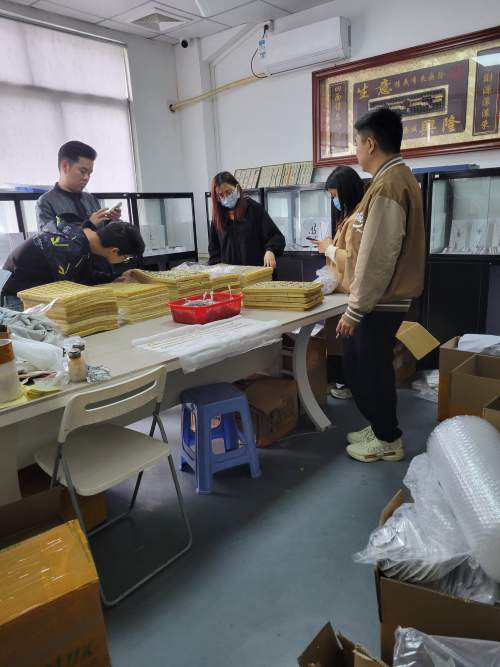
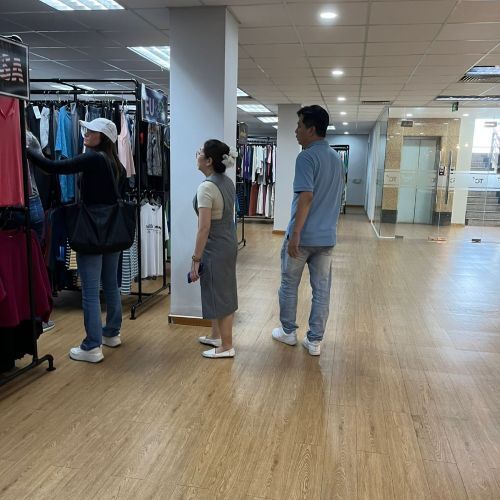
Showrooms vs. production lines. The sample room is a distraction — a gallery built to make you feel safe. One perfect prototype made in a lab tells you nothing about 10,000 units coming off a line. Demand an unscripted walk to the back-end loading docks. And watch for the difference between "clean for a visit" and "too clean to be working": if the floor is spotless and the air is fresh in a plastic injection facility, nothing is being manufactured that day.
The rented-factory scam. Trading companies rent floor space in a real facility for a weekend to look like manufacturers. Check the signage — permanent metal plates bolted to the wall, or a vinyl banner and a temporary plastic board? Check the dust on the machinery. If a machine is supposedly running but the cooling fans are caked in undisturbed grey silt, it's a prop.
Pre-flight vetting: don't fly for a ghost company
The verification starts at your desk, not the airport. Buyers have flown across the world on a last-minute ticket only to find the "factory" address on their Alibaba printout is a coffee shop in a mall. The machines don't lie. People do.
Build a no-fly list of red flags. If a supplier refuses to send a high-resolution scan of their business license, cancel the trip. If the "factory" address is a room number on the 42nd floor of a downtown office tower, cancel — real manufacturing happens in industrial zones, not CBD skyscrapers. The legal registration address must match the physical site you're visiting; if they say the factory is in Dongguan but the license registers the company in another province, you're likely dealing with a middleman borrowing a production line for your visit. Due Diligence uncovers the real ownership structure before you land.
The paper trail. Every legitimate company has a red circular chop, and the Chinese name on it must match their bank account exactly. Check the "Scope of Business" on the license — if it says "Consulting" or "Trading" but they claim to be a heavy machinery plant, they're lying. (Our China Supplier Verification Report goes deeper on reading these documents.)
Vetting the boss. The sales manager you've been emailing is often a freelancer with no keys and no authority. Ask for the legal representative by name, and ask to see ID on arrival. If the "boss" is a cousin who's conveniently out of town, you're being played. If the workers don't recognize the person leading the tour, you're standing on a rented stage.
On-site inspection: 5 things they can't fake
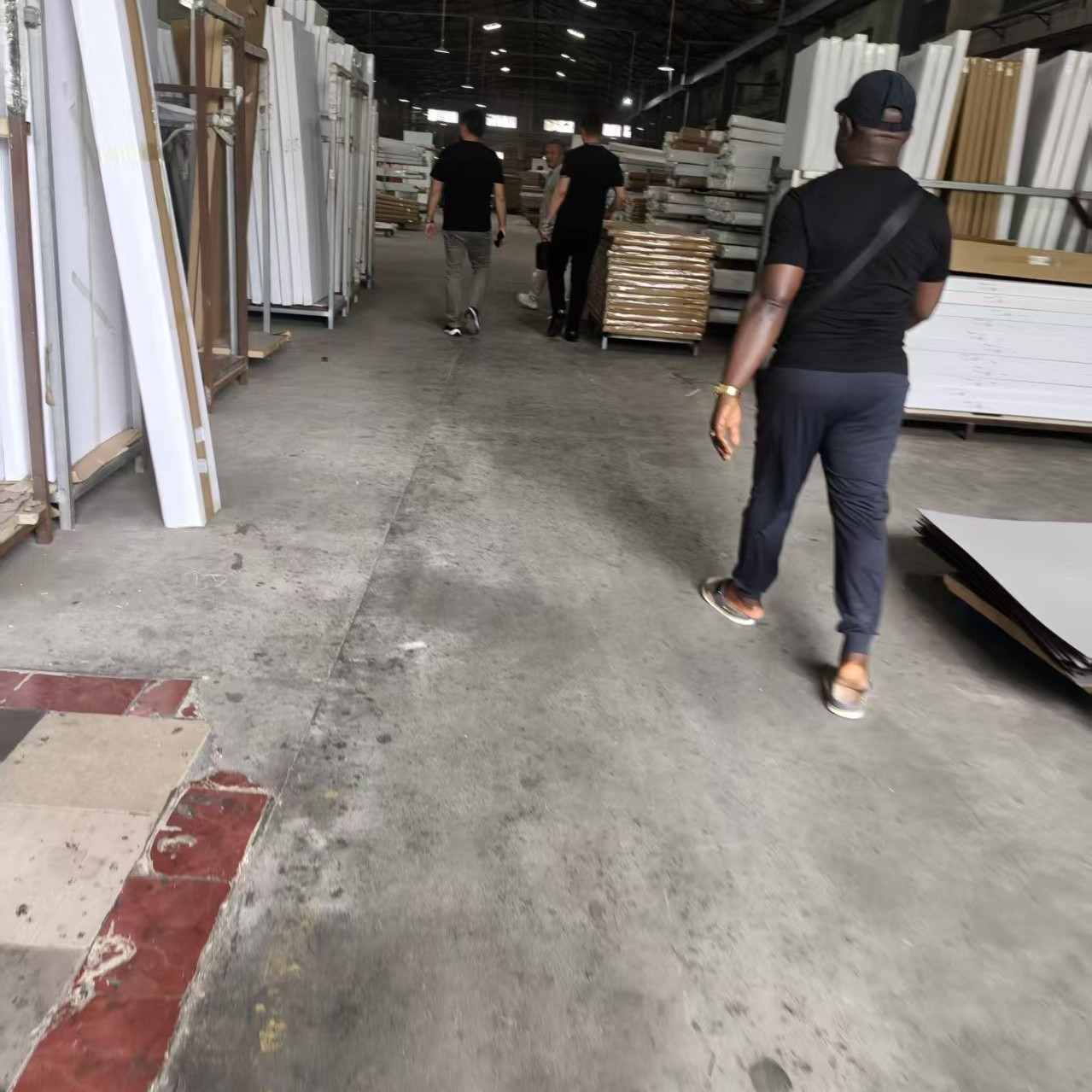
An empty raw-material warehouse is the tell. When a rep explains it away as "just-in-time resin delivery," what that usually means is they're a middleman outsourcing your order to a smaller, dirtier workshop down the street. If the materials aren't on the floor, the production isn't happening there.
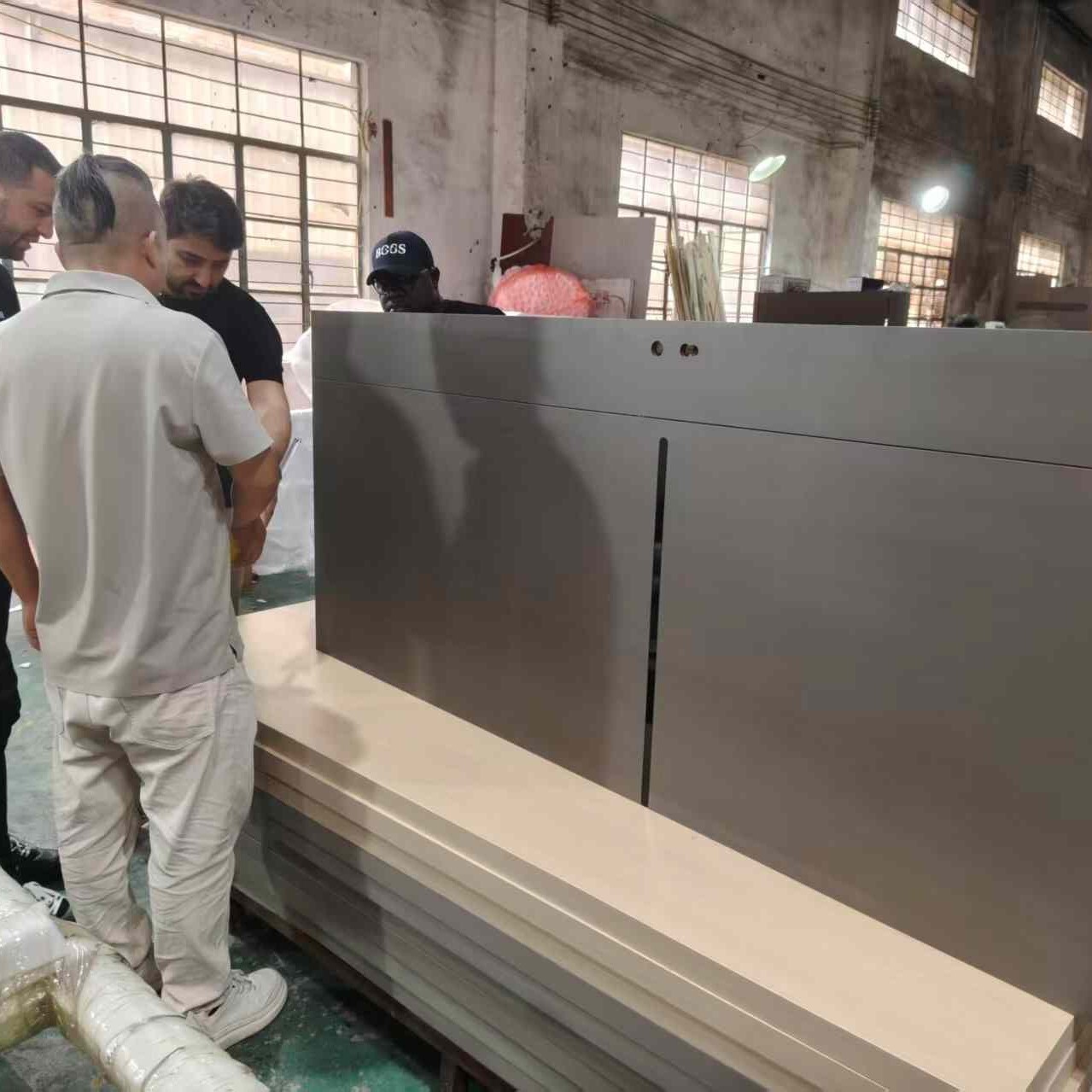
Five things to check on the walk-through:
- Raw material inventory — labels, batch numbers, real volume.
- Employee vibe — moving with purpose, or wandering while a show plays out?
- QC stations — do they exist, and are they staffed?
- Your tooling and molds — if they claim to own them but can't produce them in ten minutes, they don't have them.
- Machine maintenance — a layer of grease is fine; a layer of rust is a disaster.
For clients who want this done right, our Guided Visits skip the boardroom entirely and go straight to the loading docks. The truth is always where they don't want you to look.
The reject-pile investigation. A factory with zero defects in the bin is a massive red flag — no line is perfect. If there's no rework area with actual scrapped parts, they aren't checking, which means they're shipping the failures to you. Ask for the physical QC logs from the previous week and check the calibration stickers on their calipers and testing gear. Three years out of date means their "testing" is theatre.
Worker safety and maintenance. There's a direct link between an organized floor and a consistent product. Scattered tools, fire exits blocked by half-finished goods, chaos in the warehouse — that's management failing, and it means your ship dates will slip and your parts will get lost. High labor turnover is the number-one cause of quality drops after the third or fourth order.
Logistics: regions and "escorts"
The translator trap is real: an "independent" guide who spends the dinner nodding along to the factory owner's lies because he's taking a kickback on every unit you order. If you don't pay your guide a flat fee, the factory will. A "free" sourcing agent is the most expensive mistake in international trade — they take commissions from the supplier, so they're incentivized to hide flaws.
Go where the industry actually lives — the clusters are ecosystems, and a factory far from its own raw-material source means longer lead times. And mind the calendar: land during Chinese New Year or October's Golden Week and you'll find locked gates and empty warehouses, or "workers" on the floor who are really security guards in borrowed jumpsuits. You want to see the factory at full throttle.
This is the core of why our Guided Visits run on a fixed fee — it removes the conflict of interest. During unscripted dinner negotiations, the job is to listen for the slips and contradictions a commission-based guide would quietly mistranslate.
From handshake to contract
A handshake over a bottle of baijiu is a social lubricant, not a commitment. If you fly home thinking a personal bond protects your deposit, you've been outmaneuvered. The physical visit is your one window to finalize a bilingual agreement while you have their full attention — once you're back home, you're just another email in the inbox.
Use the leverage of being there. If you saw old machinery or disorganized QC, demand specific quality benchmarks written into the contract. If they hesitate to sign while you're standing in the room, they never intended to follow your specs — walk away before your capital is committed.
Enforce it with a bilingual contract. A US-drafted NDA is worthless in a Chinese court. You need an NNN agreement written in Chinese, governed by Chinese law, and stamped with the official red chop — a rep's English signature has zero legal standing. We break down exactly how this works in China NNN Agreement Drafting: Protecting Your IP from Day One, and our productized Contracts service delivers court-ready bilingual agreements on a fixed fee.
Tell them you aren't going away. Factories prioritize the clients who are watching. Let them know an independent inspector will be through the door every thirty days — Monthly Support is how you hold day-one standards long after your plane leaves.
When the visit reveals a lie. If the "owner" was an actor or the "factory" was a rented stage, don't try to nice your way out of it. Use the evidence you gathered to renegotiate — or if it's already gone wrong, our Fixer service uses that ground truth to force the supplier back to reality. A dispute is always easier to settle while you're still in the province.
What a fake factory actually looks like
We've documented the full version of this: a Canadian distributor running 400 SKUs through a single "factory" that turned out to be an empty building — production long stopped, a few workers relabeling goods bought on the domestic wholesale market, the owner running it by phone from another country. Every warning sign in this guide was present, and nobody had walked the floor. Read how it unraveled, and what the recovery looked like, in Case File #2: 400 SKUs, One Factory, Zero Machines.
Take command of the shop floor
You know the theatre now — the hired boss, the cold machines, the reject bin that's suspiciously empty. A successful trip isn't a polite tea ceremony; it's a verification mission. Verify the raw materials. Demand the chop on a bilingual contract. If the reality on the floor doesn't match the digital promise, walk away before you commit.
We've been on the ground since 2009, we take no factory commissions, and our fixed-fee verification gives you the ground truth without middleman bias. Don't fly blind — book a Guided Visit and go secure your supply chain with confidence.
Frequently Asked Questions
Do I need a visa to visit a factory in China? US citizens generally need a business (M) visa for factory visits, and entry rules change often — confirm the current requirements with your nearest Chinese consulate or a visa service before booking. Don't try to conduct business on a tourist visa.
Is it safe for a US business owner to travel alone to Chinese factories? Physically, yes. Professionally, it's risky. You won't get mugged on the street, but you can get robbed in the boardroom. Traveling alone makes you the ideal target for the show-factory routine — without a second set of eyes on the loading docks while you're being served tea, you'll miss the red flags.
How much should I expect to pay for a factory escort? General interpreters and guides are inexpensive, but they translate words, not lies — and many take hidden commissions from the factory. If your guide isn't a fixed-fee professional working only for you, assume they're working for the supplier.
Can I visit a factory without an appointment? Unannounced visits are the best way to see the truth, because a scheduled visit is a rehearsed performance. If you have the legal address, show up mid-morning on a weekday. If they refuse entry, they're hiding something — or they don't actually own the machines.
What's the best time of year to visit? Avoid Chinese New Year and October's Golden Week, when the country effectively shuts down. Aim for a normal high-output period so you can judge real-world quality control under pressure.
How do I tell if a factory is actually a trading company? Look at the machines and the grease. A real factory has heavy equipment bolted to the concrete and a warehouse of raw materials. Trading companies have showrooms and too many sales staff in clean clothes. Check the business license: if the registered scope of business doesn't include manufacturing or processing, they're a middleman.
Should I bring samples of my product? Always bring a golden sample of exactly what you expect. It's your leverage when a supplier claims a defect is "within tolerance." Holding a perfect sample next to their rejected parts ends hours of circular argument — and signals you're not a tourist.
Do I need to bring a gift for the factory owner? Keep it simple and professional — a small local specialty from your home city is plenty. A lavish gift makes you look desperate for approval and easy to manipulate. Keep the focus on the contract and the evidence on the floor.
China Agent provides supplier verification and due diligence for businesses importing from China. We do not source, supply, manufacture, test, or transport any products, and we are not a middleman. Nothing here is legal, financial, customs, medical, or regulatory advice. This content is general and educational and reflects our experience on the ground in China. Laws, tariffs, and the legal status of any product vary by jurisdiction and change over time — you are responsible for complying with the rules that apply to you. For decisions with legal or financial consequences, consult a qualified professional.