
Three weeks of silence from a factory after you've wired the deposit isn't a technical glitch. It's a decision. Your emails aren't getting lost. They're being ignored, because right now you have zero leverage. You're shouting into a digital void while the factory boss spends your money.
The good news: the money isn't necessarily gone. But recovering a deposit from a Chinese supplier means understanding why they went silent, and why the tools most importers reach for (US lawyers, angry emails, embassy threats) don't reach the target. This is how it actually works in China.
Why has my Chinese supplier stopped responding?
Silence is a business strategy. A supplier weighs the cost of fixing your problem against the profit from your next order, and ghosts when the first is bigger than the second. If they owe you $20,000 in refunds but your next order only nets them $5,000, they'll write you off as a one-time loss and walk away. The "broken machine" excuse is often code for a cash-flow collapse: they used your deposit to pay off a different, angrier creditor.
There's also the exit-scam pattern. A few small test orders build trust (decent quality, smooth communication), and then the big order vanishes into total silence. The registered address turns out to be a residential tower, the "account manager" is gone, and the "owner" claims he's never heard of you. The company didn't fold; it moved to a new apartment under a new name.
The root problem: without a bilingual manufacturing agreement, you're just a person on a screen. With an enforceable contract you can threaten real local court action. Without one, you're hoping for mercy. And mercy isn't a line item on a Chinese balance sheet. They ghost because they can, and because you haven't given them a reason to be afraid.
Why don't US lawsuits scare Chinese factories?
A factory owner will use a ten-page demand letter from a US law firm as a coaster for his tea. Punitive damages, Texas jurisdiction: it stops at the water's edge. He has no assets in the US and no intention of ever visiting. Western legal posturing fights with weapons that don't reach the target.
The embassy is another dead end. Embassies are diplomatic entities, not your collection agency; they won't freeze a bank account over a quality dispute. And Gold Supplier badges are a paid marketing feature: an annual fee and a basic license check, not a bond or a safety net for your capital.
Why foreign contracts fail here. A contract governed by New York or UK law is a jurisdictional nightmare in a Chinese court. The cost to translate, notarize and apostille it often exceeds the debt, and it carries no local weight. The way to make a legal threat real is a bilingual OEM/NNN agreement governed by Chinese law, in place before the next wire. (The full mechanism is in Chinese Court Enforceable Contracts.)
The blacklist myth. There's no central bad-supplier list that stops a factory operating. Too much heat on one platform and they shut that entity down, re-register under a cousin's name, and reopen with a fresh badge. Even platform trade-assurance processes lean toward the supplier: they know how to submit just enough shipment evidence to tie your claim up in mediation for months. It's a shell game, and they hold all the shells.
How do you actually get leverage over a factory that owes you money?
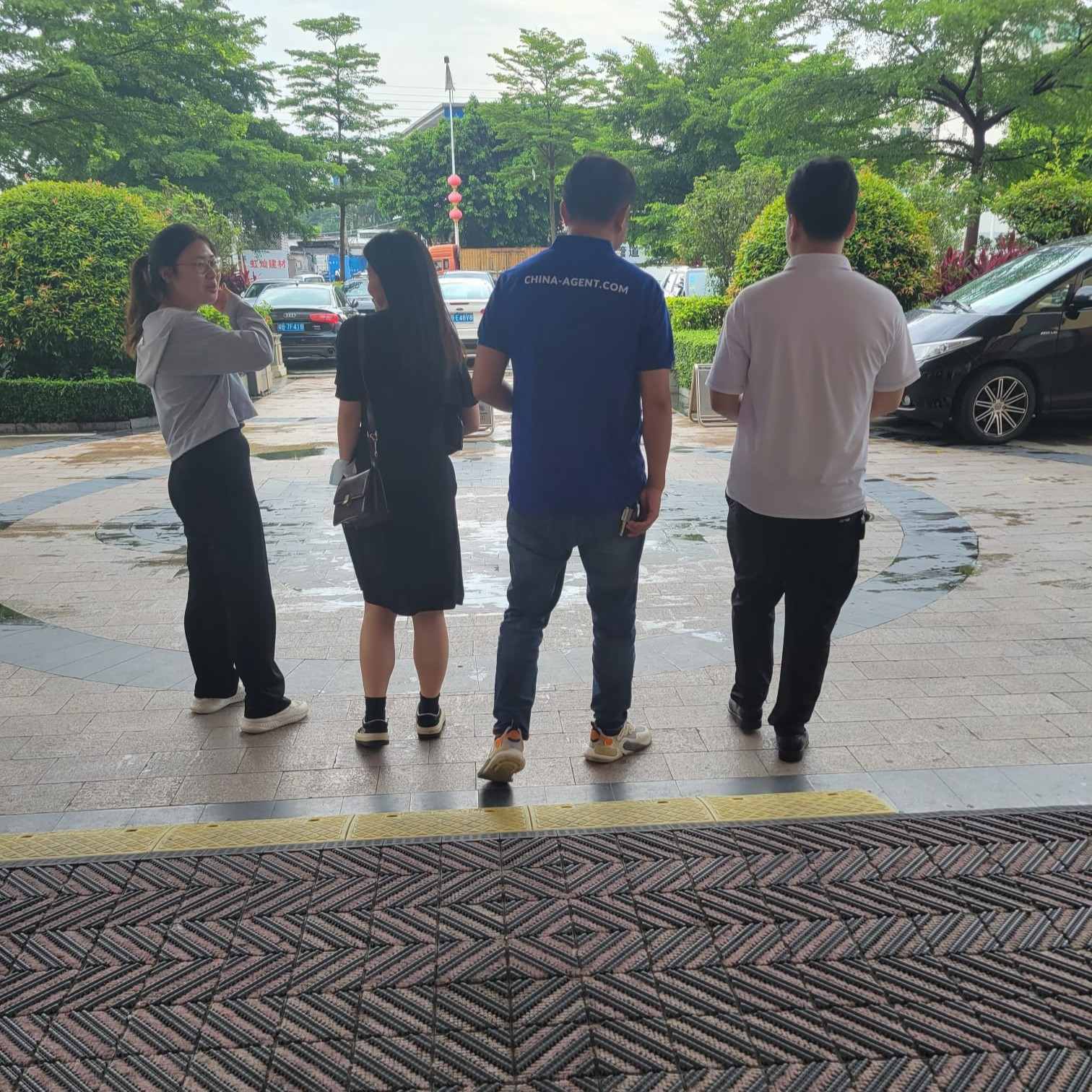
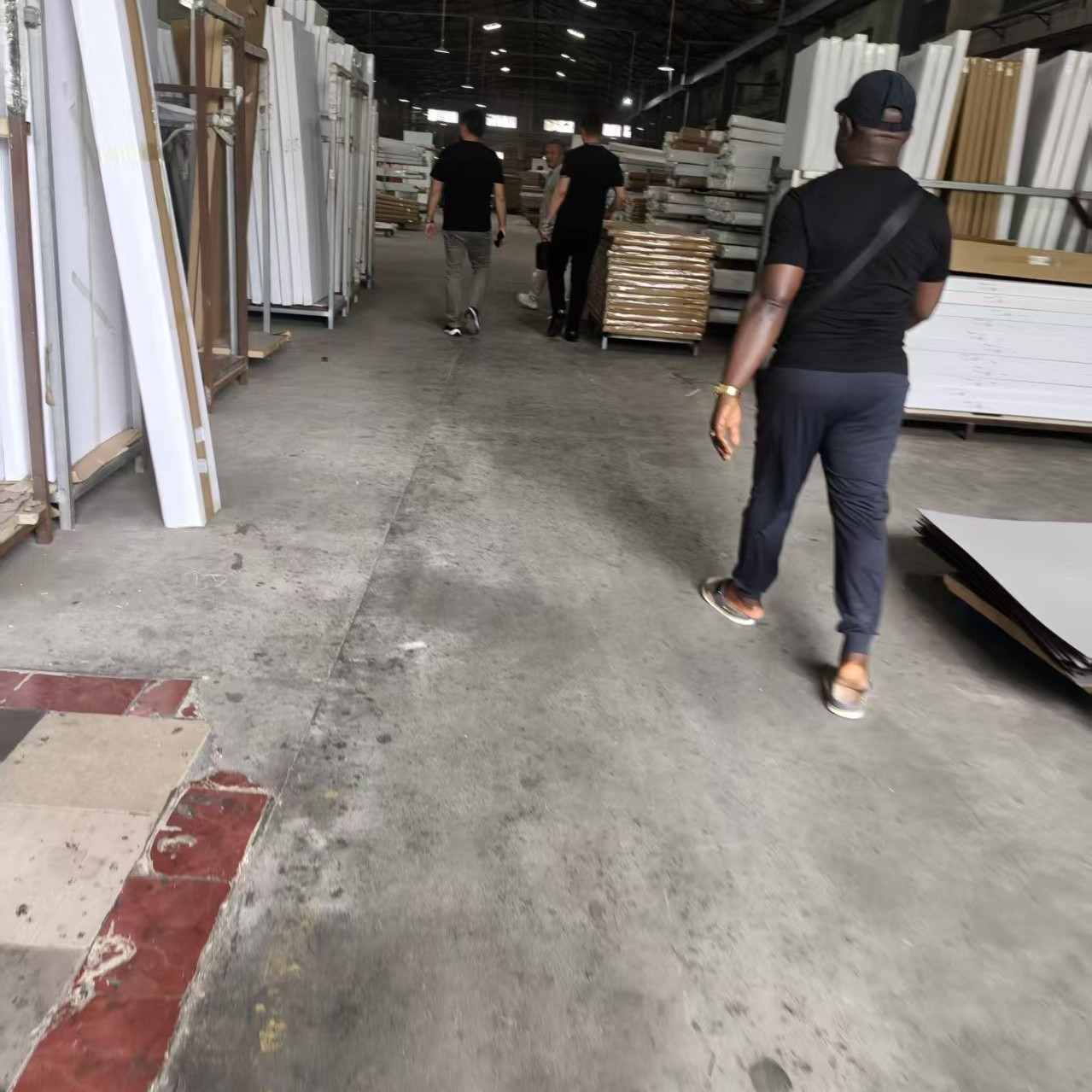
The move that works is turning a digital dispute into a physical presence. A supplier who claims his workshop is closed for "emergency maintenance" right after a dispute goes quiet fast when someone is standing in his factory with a camera, watching him run a large order for a different customer. His anonymity is gone. That's the whole game: not citing legal codes, but creating a local presence he can't delete from his inbox.
The physical visit changes the math instantly. When a professional walks through the gate, the boss realizes this is no longer a faceless transaction. If the machines are running for other clients, he has the money to refund you. This is the core of our Fixer service: moving the conflict from your screen to his assembly line, and verifying his real operation and cash flow.
The SAMR lever. A formal, well-documented complaint to the local market regulator (the State Administration for Market Regulation) can trigger inspections that halt production. That disruption is far more expensive for the factory than simply refunding your deposit. And when they see a local representative who knows how to pull that lever, they tend to find a way to pay.
Identify the real owner. You're probably arguing with a WeChat sales rep who has no power. Official business-license data identifies the legal representative and their other companies. Many owners run several. Link your debt to their more profitable ventures and they'll often pay to keep those clean. Local pressure beats international litigation every time, because it threatens their cash flow today, not a court date years away.
What are the steps to get a refund from a Chinese factory?
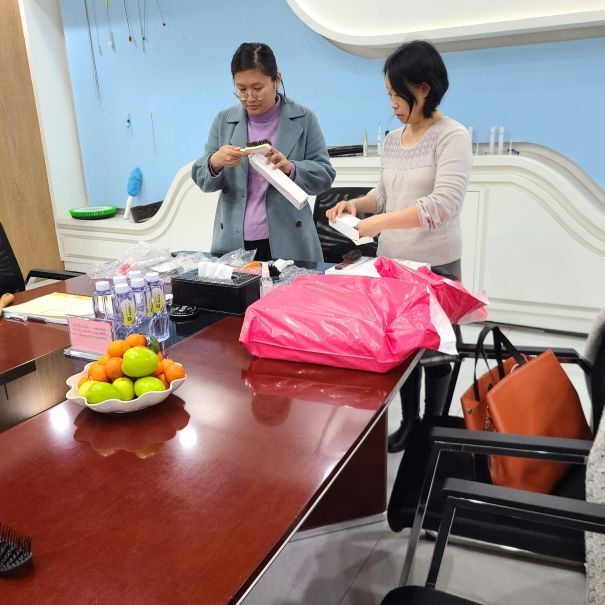
Steps 1 & 2: the reality check. Audit the paper trail, not your WeChat history. Verify the export license: if the entity you paid isn't authorized to ship, you likely paid a middleman or a shell. Confirm the bank-account name matches the Chinese name on the business license exactly. Any discrepancy is a fraud flag. Then confirm the company still legally exists. A Supplier Reality Check™ tells you whether it is registered, who owns it on paper, and whether it is already being sued locally. That data is your leverage.
Steps 3 & 4: the negotiation. Negotiation in China is about a face-saving exit. Corner a supplier and call him a thief and he disappears; offer a partial refund or a credit against future verified production and he has a way out that isn't total loss. But it only works with a physical presence. A demand letter written in Chinese and served by a local agent at the gate carries more weight than a thousand emails.
Step 5: escalation. Bring in local trade bureaus only with concrete proof of fraud; vague quality complaints get ignored, but proof they took a deposit for goods they never intended to make is different. Remember the order of operations: proof of life before proof of debt. Verify the factory exists before you try to sue it.
What does a successful recovery actually look like?
We documented one in full: a client who lost $175K to a "Taiwanese factory" that closed and vanished, a case a Taiwanese lawyer had already declared dead. We traced the owner through his shipping records to a new company in Chongqing, where the "Taiwanese boss" turned out to be a Chinese man who'd never left the mainland. Recovery: $100K, three weeks after we found him. The full hunt is in Case File #8: The Big Taiwanese Factory Was a Chinese Man in Chongqing.
The lesson that case makes concrete: a closed company is not a dead end. The owner, the bank trail, and the shipping records outlive the shell.
How do you avoid this on the next order?
Recovery is a brutal, uphill fight. Prevention is a fixed-fee reality check. Most importers get burned because they trust an agent who takes a hidden commission from the factory, which makes that agent loyal to the supplier's profit, not your quality. Our no-commission rule is non-negotiable: we work for you and take nothing from the factory, so a red flag never gets buried to protect a payout.
The first check is the business-license scope. A "high-end electronics factory" whose license actually reads "agricultural machinery" is a trading company pretending to have an assembly line. That's why on-site inspection is mandatory. A paper check shows what they want you to see; a visit to the factory shows whether the machines are running.
Whether you're in Seattle, Dallas or NYC, distance is your weakness. Factory owners respect physical presence and local pressure, not a lawyer three states away writing letters that get ignored. If you're stuck in the ghosting cycle right now, send the Fixer to the factory → Or book a short call and we'll walk the options with you.
Frequently Asked Questions
Can I sue a Chinese supplier from the United States? You can file, but it's a waste of capital. Chinese courts don't recognize or enforce US civil judgments. To see money returned you have to act where their assets are, which means local legal standing or physical leverage. A US judgment is wallpaper in a Chinese factory office.
My Chinese supplier took my deposit and disappeared. What do I do first? Verify the entity before you spend anything chasing it. Confirm the company still legally exists, that the bank account you paid matches its registered name, and whether the address is a real operating facility. Proof of life comes before proof of debt. You can't pursue a company that was never real.
How do I get my deposit back from a Chinese factory? Rarely by asking. Recovery comes from making it more expensive for them to keep your money than to return it: a documented case, a local representative at the gate, a credible regulatory complaint, and a face-saving exit such as a partial refund or credit against verified future production.
What if my supplier is refusing to refund a deposit for goods never shipped? That's the strongest position you can be in, because non-delivery is easier to prove than a quality dispute. Gather the contract, the wire confirmation, the PO and every message where they promised shipment, then apply local pressure. A documented deposit for goods never made is exactly the kind of case a market regulator will act on.
How much does it cost to recover money from a Chinese factory? It depends on the route. Chinese courts use a progressive fee system, and litigation lawyers there typically charge a percentage of the amount recovered rather than hourly. Fees are generally not recoverable from the losing party, so weigh the size of the debt against the cost before committing, and confirm current figures locally, since they change.
Is it worth suing a Chinese supplier for a small amount? Usually not through the courts. Below a certain threshold the filing costs, translation, and local representation consume the debt. Physical pressure and regulatory leverage are far more cost-effective for small and mid-sized claims, which is why most disputes settle in a manager's office rather than a courtroom.
What is a Fixer service and how does it work? It's in-person dispute work for a supplier who has stopped answering. Instead of more polite emails, we go to the factory, sit down with them face to face, find out who really owns the company, and see what assets it has. That pressure makes paying you back the supplier's easiest way out.
Does Alibaba Trade Assurance actually work for refunds? Often not. It's weighted toward the supplier's proof of shipment. A valid bill of lading can get your refund denied even when the goods are scrap. You need a perfect paper trail and a third-party inspection report to win. It's a platform marketing feature, not deposit insurance.
What documents do I need to prove a supplier scammed me? A stamped, bilingual contract and proof of payment to the exact bank account on their business license. Stamped POs and clear quality-requirement documents matter; WeChat logs are secondary to anything carrying the official company chop. Without that stamp, a factory can claim the paperwork is unauthorized.
How can I tell if a factory is fake before I pay? Check the business-license scope. An electronics seller with a textiles license means a middleman or a scammer. A Supplier Reality Check™ shows whether the company is registered and licensed to make what it sells. If they won't let you visit, ask why.
Can I freeze a Chinese company's bank account? Yes, through asset preservation in a Chinese court, filed with a formal lawsuit and usually backed by a bond. If granted, the court can freeze accounts or seize equipment, and that pressure often forces a settlement before the case reaches a judge.
How long does it take to resolve a payment dispute with a Chinese supplier? Often within a couple of weeks once a physical presence is established. Emails drag on for months precisely because the supplier knows you're far away. When someone walks into the office, the ghosting stops, and a replacement batch or partial refund usually gets agreed in the first meetings.
China Agent provides supplier verification and due diligence for businesses importing from China. We do not source, supply, manufacture, test, or transport any products, and we are not a middleman. Nothing here is legal, financial, customs, medical, or regulatory advice. This content is general and educational and reflects our experience working in China. Laws, tariffs, and the legal status of any product vary by jurisdiction and change over time. You are responsible for complying with the rules that apply to you. For decisions with legal or financial consequences, consult a qualified professional.