

How to Verify Factory Ownership in China: The On-Ground Reality Check
The "General Manager" a buyer has emailed for six months can turn out to be a freelance agent who rented a desk in the front office for the day — and the buyer is about to wire a deposit to a shell company that doesn't own a single screwdriver. This isn't a rare mistake. It's the standard trap for buyers who verify ownership with a basic search and a polished PDF.
It's easy to fake a digital presence. It's much harder to fake the legal deed to a production line. Here's how to peel back the layers of Chinese corporate structure to find out who actually owns the machines you're paying for.
Why a business license isn't enough
A "Gold Supplier" with a decade of history and five-star reviews can turn out to be a professional middleman with a laptop and a headset in a coffee shop — no machines, just a good internet connection. If you only look at the screen, you only see what they want you to see.
A business license is the price of entry, not proof of production. Ownership is often buried under layers of shell companies that exist to shield the real bosses from liability when a shipment goes bad or IP is stolen. To verify ownership for real, you match the legal registration to the physical assets and the people actually wearing the uniforms. "Manufacturer" status on a website has zero legal weight in a Chinese court.
The borrowed-license scam. Agents take a legitimate factory's credentials and present them as their own — red stamp, current dates, all perfect on paper. Then check the bank account: if you're paying "Xingtai Trading Ltd" while the factory sign reads "Hebei Heavy Industry," you've already lost. They'll call it a "sister company." Usually there's no legal connection at all — they're squatting on a relationship they don't own.
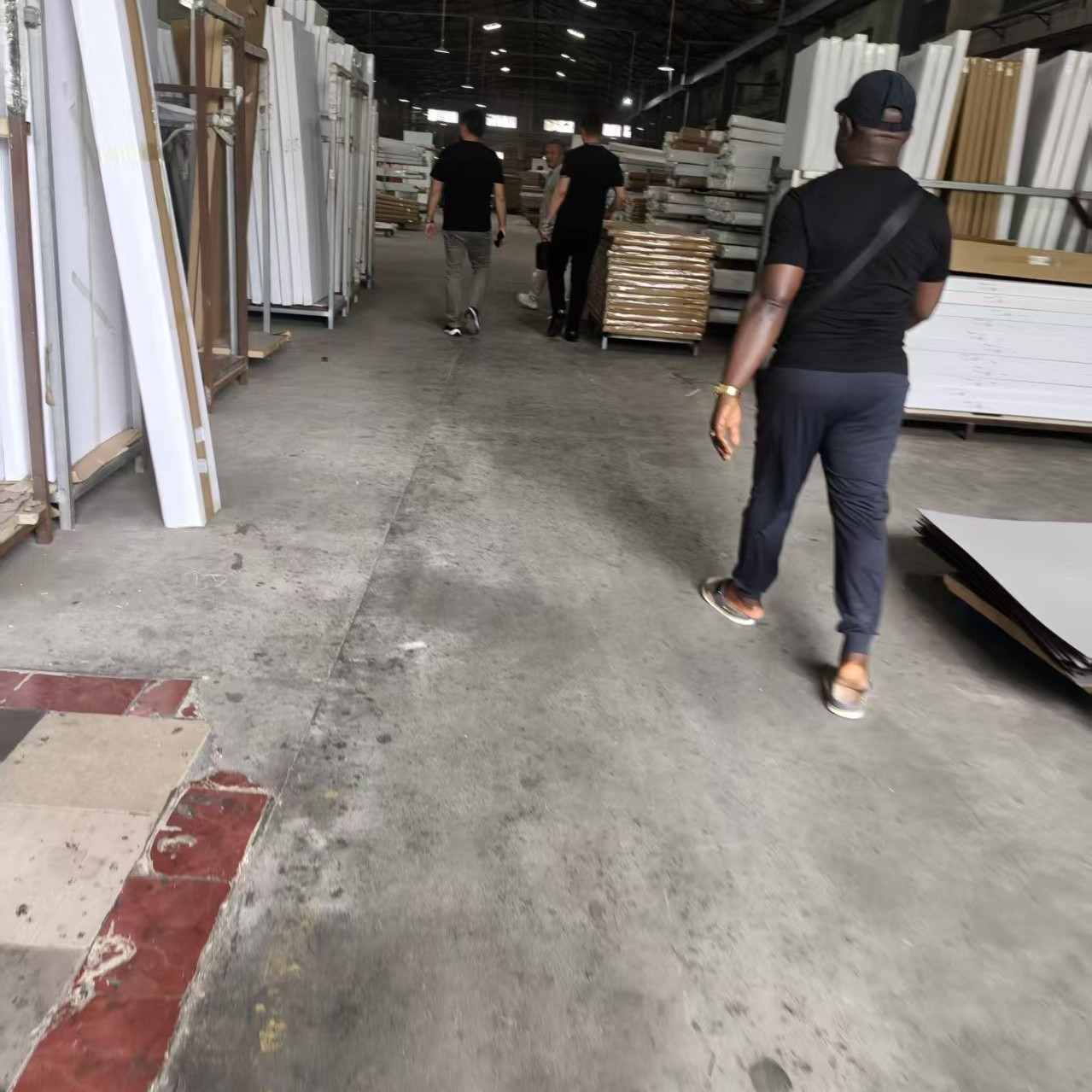
Digital vs. physical reality. Platforms verify that a company exists. They don't verify what it does on a Tuesday afternoon, or whether it has subcontracted your entire order to a basement workshop down the street. Real verification needs someone walking the floor and checking asset tags on the equipment — a Supplier Reality Check™. If the name on the machinery doesn't match the name on the license, you're talking to a ghost.
Decoding the business license for real ownership
A man in a sleek boardroom with a gold-embossed card calling himself the "Owner" can, in the official SAMR (State Administration for Market Regulation) records, turn out to be nothing — with the actual Legal Representative being an elderly relative in a rural province who holds the legal liability. That's a "straw man" setup: if the deposit vanishes, the person legally responsible is a pensioner with zero assets, while the real operator changes his phone number and opens a new office.
Start with the 18-digit Unified Social Credit Code (USCC) — the only ID that matters. Brochures, websites and English names can be faked in an hour; the USCC is the key to the official government database.
Then check registered capital — but don't be fooled by a big number. In China capital can be subscribed rather than paid-in. A company claiming a massive production line but showing near-zero paid-in capital doesn't own those assets.
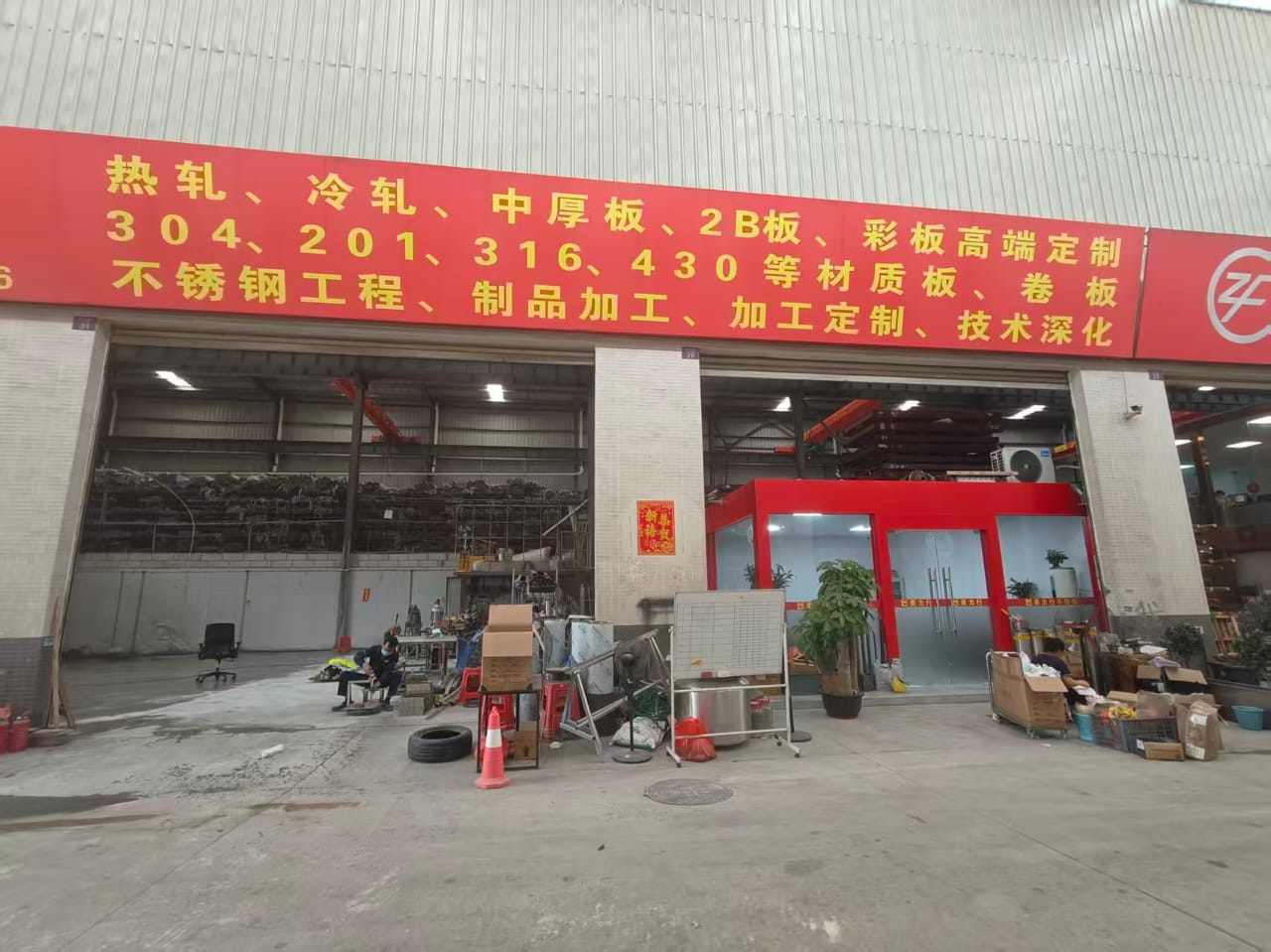
Business scope (经营范围) is a legal boundary. A real manufacturer must have "manufacturing" (制造) or "processing" (加工) in scope. If it reads "consulting" (咨询) or "trading" (贸易), it's not a factory, no matter how many photos of lathes they show you. "Assembly" usually means they buy parts from ten vendors and screw them together in a rented warehouse.
Address mismatch. Check the license address against the gate. "Room 402, High-Tech Plaza" while you're standing in an industrial park two hours away means something's wrong — a factory can't legally operate from a downtown office tower. Demand the land-use rights or the factory lease; if the name on the lease doesn't match the license, you're looking at a sublet. When the paperwork feels messy, Due Diligence finds the truth before you sign.
The Ultimate Beneficial Owner and hidden bosses
A "Chairman" with the corner office and the expensive tea set can own zero shares — the real owner a holding company hundreds of miles away. Negotiate with an employee who has a fancy title and no authority, and the real bosses can disown the deal the moment it becomes inconvenient. If the person at the table owns 0% of the company, you're not negotiating — you're being managed.
To find the real owner, you look past the local face. Ownership chains are often a maze of shell companies hiding the Ultimate Beneficial Owner. The Chinese corporate-records platforms (Qichacha, Tianyancha) let you trace shareholders — and every shareholder should be cross-referenced against failed or fraudulent businesses. If a major shareholder has three other factories that went dark in the last two years, your deposit is in danger. You're looking for a track record of stability, not just a name.
Follow the money. The money tells the truth when the people won't. Check whether the beneficiary of your wire matches the owner listed on the SAMR filing. A request to pay a "logistics partner" or a "HK holding account" often means nominee shareholders being used to hide assets or bypass tax. Those straw-man owners hold stock for the real bosses but control nothing on the production line.
The Fixer angle. Two "owners" screaming at each other in a courtyard over who owns the tooling — one the founder, one a silent partner who just foreclosed on a debt — with the buyer caught in the middle holding $50,000 of half-finished goods: that's how fragile ownership can be, and it's exactly what an agent will never let you see. Our Fixer bypasses the filters and goes straight to the UBO to confirm they actually recognize your contract. If the real owner doesn't know who you are, your "factory direct" relationship is a lie.
The physical site check
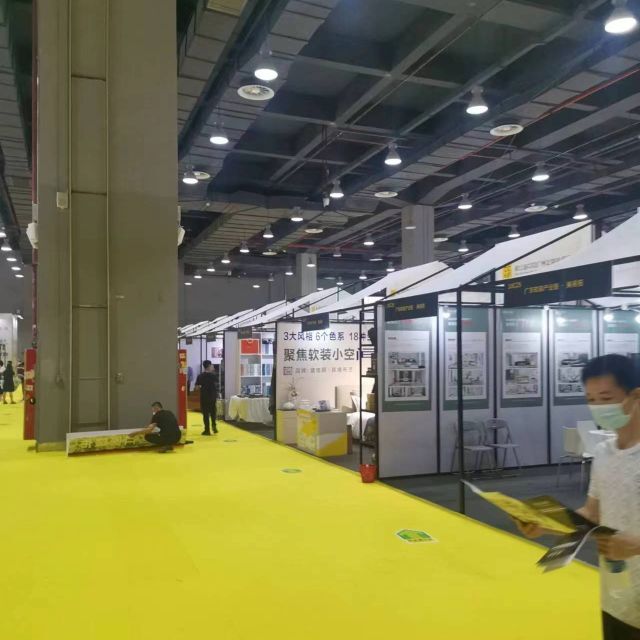
Skip the showroom — it's a stage set with polished prototypes and free espresso. Head for the back of the building and look at the employee time-clock and the utility bills. If the electricity bill is addressed to a different company, you're standing in a sublet space, and the "owner" is a tenant or an agent who rented the conference room for your visit.
The machinery tells the real story. Every injection mold and CNC machine should carry an asset tag. If the name on the equipment doesn't match the business license you decoded, the factory doesn't own its tools of production — they're leasing, or the real manufacturer has already moved out. And interview the floor manager when the "boss" isn't looking, with one question: who signs your paycheck? If they name a trading company instead of the factory on the gate, the ownership claim is dead.
The 10-minute owner test. Ask to see the original business license on the spot — real owners keep it in a safe or on the wall; agents have grainy phone photos. Look at uniforms and ID badges — mismatched or absent branding suggests a borrowed workforce. Check the warehouse — outgoing boxes labeled with three different company names mean a consolidation hub, not a dedicated factory.
Export license. A real factory usually has its own. "We must use a trading agent to ship" often hides a lack of legal standing. Match the VAT invoice (fapiao) to the production entity — if the money flows to a different name than the one on the shipping documents, your legal recourse is zero. Confirm the physical reality with a Guided Visit before you wire a cent.
What tracking a hidden owner actually looks like
We documented the deepest version of this problem: a client who lost $175K to a "Taiwanese factory" that closed and vanished. The company was dead on paper — a Taiwanese lawyer had already given up. We traced the real owner through his shipping records to a new company in Chongqing, where the "Taiwanese boss" turned out to be a mainland Chinese man who had never left the country. The people scatter; the ownership trail and the money trail don't. Read the full hunt in Case File #8: The Big Taiwanese Factory Was a Chinese Man in Chongqing.
Securing your supply chain
Most sourcing agents take a hidden commission from the factory they recommend, which makes their reports sales tools, not protection. We take no kickbacks and want no factory friends — loyalty is to the buyer who hired us to find the cracks. Fixed fee for the truth, not a percentage of a deal. If the factory is a shell, we say so. If the owner is a ghost, we say so.
Finding the real owner is only half the job — then you pin them down. Our Contracts are bilingual and enforceable in Chinese courts, and they name the actual production entity. Real owners fear those documents because they carry weight — and a supplier who refuses to sign one has just handed you the ultimate ownership test. (The full mechanism is in Chinese Court Enforceable Contracts.)
Ownership isn't static, either. A factory legitimate one year can be an empty shell the next — a boss who gambled away his assets or sold the equipment to a relative while keeping the old license on the wall. Monthly Support keeps a constant watch on the entities you trust, treating verification as a continuous process, not a one-time event.
Confirm the name on the machinery matches the name on the bank account — then lock it down with a contract that has teeth. Get a Supplier Reality Check™ and stop guessing about who owns your factory.
Common Questions
How can I tell if a company is a manufacturer or a trading company? Check the business scope on the official license — a real manufacturer must list "manufacturing" (制造) or "processing" (加工). If it only mentions sales, trading, or consulting, they don't own the machines.
What is a Unified Social Credit Code and where do I find it? An 18-digit legal ID at the top of the official business license issued by SAMR. You need it to verify ownership through government databases like GSXT. Without it, you're searching nicknames with no legal standing.
Can I trust an Alibaba Gold Supplier without a physical audit? No. Gold status is a paid marketing subscription, not a certification of production capacity. It proves the company exists and paid a fee — not that they own the factory in their photos.
What if the factory name on the invoice differs from the contract? Stop the transaction. It's a classic move by shell companies to bypass tax or shield the real factory from liability. Contract, invoice, and factory gate must match exactly, or you have no legal recourse.
How do I verify the legal representative? Use the USCC to search the National Enterprise Credit Information Publicity System (GSXT), the free government database that lists the official Legal Representative. If the person you're dealing with isn't listed and holds no power of attorney, they can't legally bind the company.
Can I verify factory ownership remotely? You can verify the paper trail remotely, but not the physical reality. Databases tell you a company is registered; they won't tell you the factory moved out last month. Confirming ownership means someone physically checking asset tags against the license.
Why do factories use English names that don't match their registration? English names have no legal weight in China — they're for marketing. For any contract or payment to be enforceable, use the official Chinese name. Buyers have lost in court because they sued an English marketing name that didn't legally exist.
What are the most common red flags in a business license? Low paid-in capital, a trading/consulting business scope, or a residential or downtown-office registered address. A company registered under a year ago but claiming decades of experience is often a "phoenix" — risen from a previously failed or sued entity to run the scam again.
China Agent provides supplier verification and due diligence for businesses importing from China. We do not source, supply, manufacture, test, or transport any products, and we are not a middleman. Nothing here is legal, financial, customs, medical, or regulatory advice. This content is general and educational and reflects our experience on the ground in China. Laws, tariffs, and the legal status of any product vary by jurisdiction and change over time — you are responsible for complying with the rules that apply to you. For decisions with legal or financial consequences, consult a qualified professional.