
Hormuz + Tariffs + CBP: You Now Have Three Problems At Once
For the last two years, the conversation about China manufacturing risk has been mostly about tariffs.
Then UFLPA enforcement ramped up and the conversation added compliance.
Now the Strait of Hormuz is effectively closed and the conversation has added energy costs, freight disruption, and factory cash flow pressure.
Three separate risk categories. All active simultaneously. All affecting the same supply chain.
If you're manufacturing in China right now and you're only managing one of these, you're already behind.
The Three Problems
Problem 1: Tariffs
301 tariffs on Chinese goods are not going away. The rates have been adjusted, paused, reinstated, and escalated over the last several years — but the structural reality is that manufacturing in China for the U.S. market carries a tariff burden that didn't exist a decade ago.
The brands that adapted well built proper HTS classification structures, documented their supply chains, and either absorbed the tariff into their cost model or moved genuine value-add to lower-tariff jurisdictions.
The brands that adapted poorly did one of three things: they declared the wrong origin, they under-declared value, or they called light assembly in Vietnam a full origin shift without the documentation to support it.
CBP knows all three moves. They've been seeing them for five years.
Problem 2: CBP Enforcement
Customs enforcement on Chinese-origin goods is at its most aggressive in a generation.
UFLPA detentions are running at record levels. CBP targeting algorithms have been refined on five years of data. The agency knows which product categories are high-risk for origin shifting, which declared manufacturers have inconsistent filing histories, and which importers have previously had valuation or classification issues.
If your supply chain has any of the common vulnerabilities — undisclosed sub-suppliers, Chinese content in a non-Chinese declared product, valuation that doesn't match your actual transaction — you are more likely to be flagged today than at any point in the last decade.
Problem 3: Hormuz
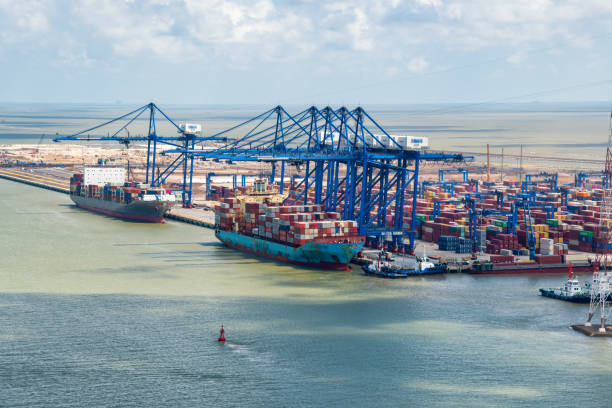
The Strait of Hormuz has been effectively closed since late February 2026. Chinese factories are absorbing energy cost increases. Freight rates and insurance premiums are up. Transit times are extending. Factory cash flow is under pressure.
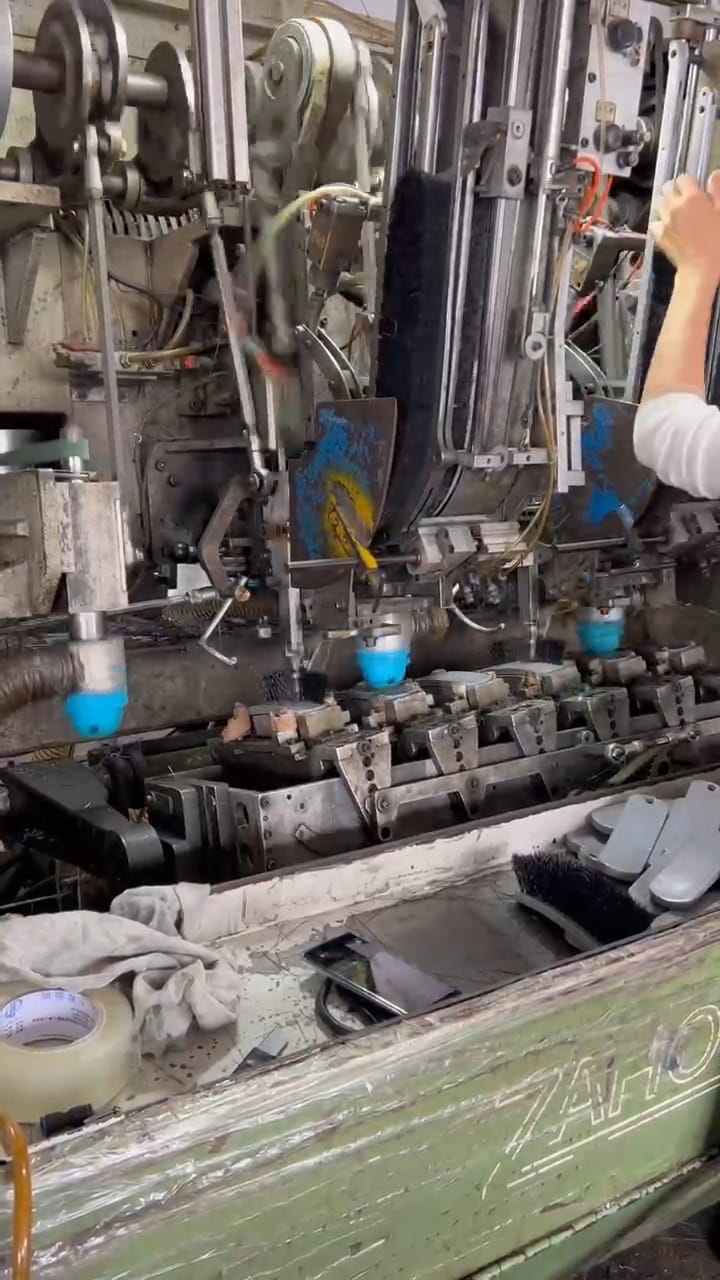
The practical effect on your supply chain: factories are making cost-driven decisions on active production orders — material substitutions, supplier swaps, process shortcuts — that create new compliance exposures on top of the ones you were already managing.
Three problems. Now look at how they interact.
How the Three Problems Compound
This is what makes the current moment genuinely dangerous for importers with Chinese supply chains.
Hormuz pressure creates new CBP exposure.
When a factory substitutes materials or activates undisclosed sub-suppliers to manage Hormuz-driven cost pressure, your compliance picture changes. The country of origin declaration that was clean last quarter may not be clean this quarter. The component supplier on your approved vendor list may not be the component supplier in your product. The UFLPA due diligence you built around your known supply chain doesn't cover the sub-supplier your factory activated three weeks ago.
The Hormuz shock is generating CBP risk in supply chains that had no CBP problem before.
Tariff pressure accelerates factory behavior.
Factories have been managing tariff-driven margin compression for years. They've developed habits — origin optimization, value adjustment, undisclosed processing — that normalized compliance shortcuts. The Hormuz pressure lands on top of that existing pattern. Factories already accustomed to quiet adjustments have less hesitation making them again.
CBP enforcement catches what Hormuz revealed.
CBP's targeting is sophisticated. Sudden changes in declared manufacturer, component sourcing shifts, pricing anomalies — these are exactly what enforcement algorithms flag. A factory that substitutes a component under Hormuz pressure creates a paper trail inconsistency that CBP is well-positioned to find. The disruption that started as a factory floor decision becomes a customs enforcement event.
The three problems don't stay in their lanes. They feed each other.
What a Three-Problem Supply Chain Looks Like
Here's a real scenario playing out right now for a typical mid-size U.S. importer with a Chinese manufacturer:
They've been sourcing from the same Guangdong factory for four years. Tariffs are applied correctly — 301 rate, Chinese origin declared, HTS classification established. CBP compliance has been clean.
Then Hormuz hits. Factory energy costs increase. A key component supplier raises prices. The factory substitutes a component — same spec on paper, different supplier, slightly cheaper. No disclosure.
The substituted component comes from a supplier the factory has used before but that isn't on the importer's approved vendor list. The supplier's own supply chain includes materials from a region with UFLPA risk exposure.
The next shipment enters the U.S. The component substitution isn't reflected in any documentation. The importer's UFLPA due diligence doesn't cover the new supplier. CBP flags the entry based on a targeting trigger unrelated to any of this — a pricing anomaly from the energy cost adjustment on the commercial invoice.
During the CBP review, the component sourcing discrepancy surfaces.
What started as a factory cost management decision in Guangdong became a detained shipment in Long Beach with UFLPA exposure the importer didn't know they had.
The Compounding Risk Checklist
If you're manufacturing in China right now, these are the questions worth answering today:
On tariffs: Is your HTS classification current and defensible? Has anything changed in your product configuration that would affect classification? Is your declared value consistent with your actual transaction records?
On CBP: Have you verified your supply chain against UFLPA risk in the last 90 days? Do you have documentation — not just certifications — that traces your key components to origin? If CBP pulled your top SKU tomorrow, what would you hand them?
On Hormuz: Has your factory disclosed any material, component, or supplier changes in the last 30 days? Have you done a mid-production verification on any active order? Do you know your factory's current cash position well enough to assess whether they're making cost-driven decisions on your production?
If any of these questions have uncertain answers, that's where to start.
The Case for Getting Clean Now
Every disruption creates a compliance sorting event. The brands that come out of it cleanest are the ones that used the pressure as a reason to tighten their documentation, verify their supply chains, and fix the gaps they'd been meaning to address.
The brands that get hurt are the ones that managed each problem in isolation — handled the tariff question when it came up, dealt with CBP when they got flagged, worried about Hormuz when the freight invoice arrived — without ever building a supply chain structure that holds up when all three hit simultaneously.
That structure isn't complicated. It's a properly documented supply chain, verified on the ground, with payment terms that keep leverage with the buyer and contracts that create real consequences for undisclosed changes.
It's what we've been building for clients for nearly two decades. The disruption changes. The structure that protects against it stays the same.
FAQ
Q: Should I pause China manufacturing until conditions stabilize? Not necessarily — but you should tighten your controls significantly on any production running now. Pausing isn't always operationally viable, and it doesn't eliminate the risk on orders already in production. Structural controls — verified supply chain, payment gates, on-ground presence — are more effective than waiting.
Q: How do I know if my existing UFLPA due diligence still covers my current supply chain? It covers the supply chain you documented when you built it. If your factory has changed any component suppliers, sub-suppliers, or processing partners since then — which Hormuz pressure makes more likely — your documentation needs to be updated. The only way to know if it's current is to verify, not assume.
Q: My broker says my compliance is fine. Should I be reassured? Your broker files what you give them. They don't audit your factory, verify your component supply chain, or validate your origin documentation against physical production reality. "Filing correctly" and "being compliant" are different things. The compliance question lives at the factory level.
Q: What's the single highest-leverage thing I can do right now? Get someone on the ground at your factory. One visit — two to three hours — verifies WIP against your production schedule, checks incoming materials against your BOM, identifies any supplier or process changes, and gives you a real picture of the factory's current operational state. Everything else follows from knowing what you actually have.