
What Importers Get Wrong About Chinese Factories
March 2026
China Agent
Many importers believe they understand Chinese factories.
They’ve visited a supplier.
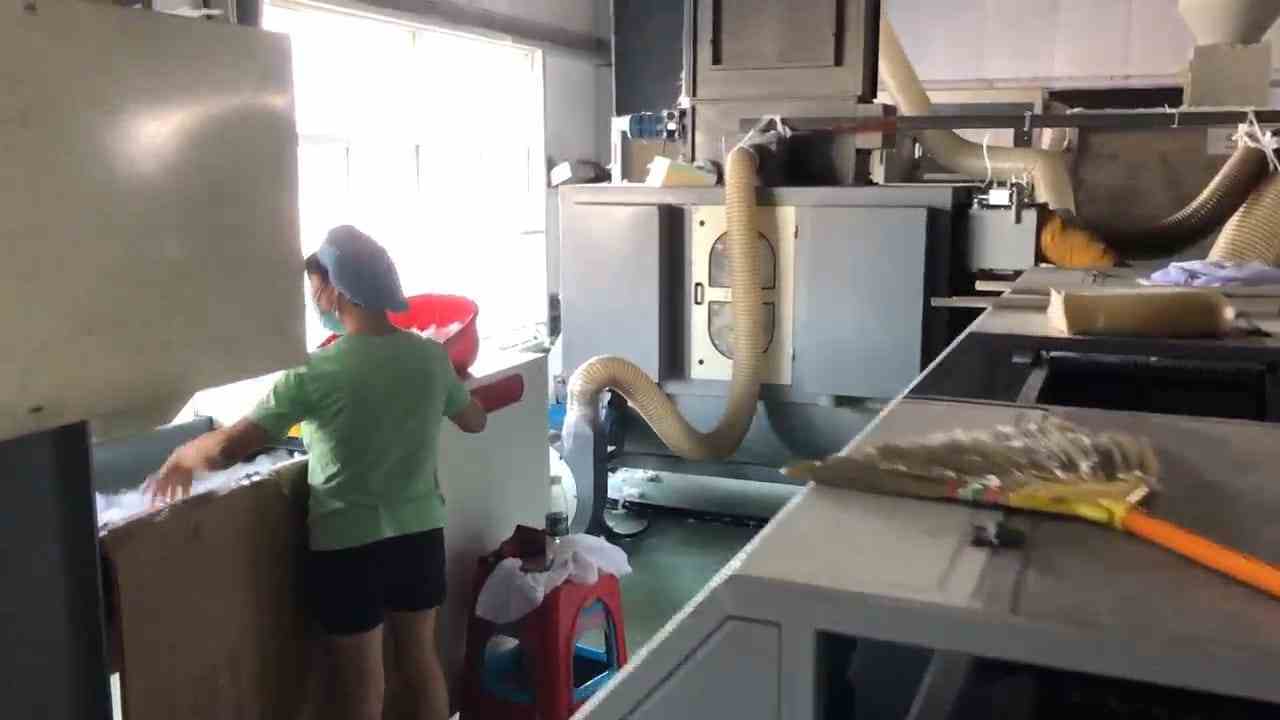
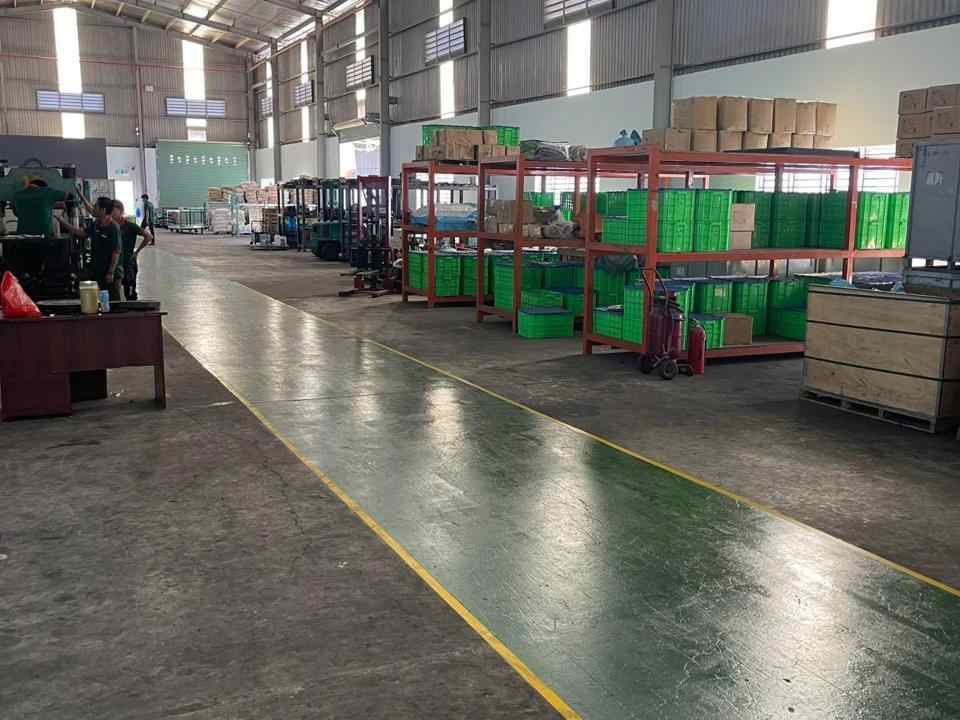
They’ve toured a production line.
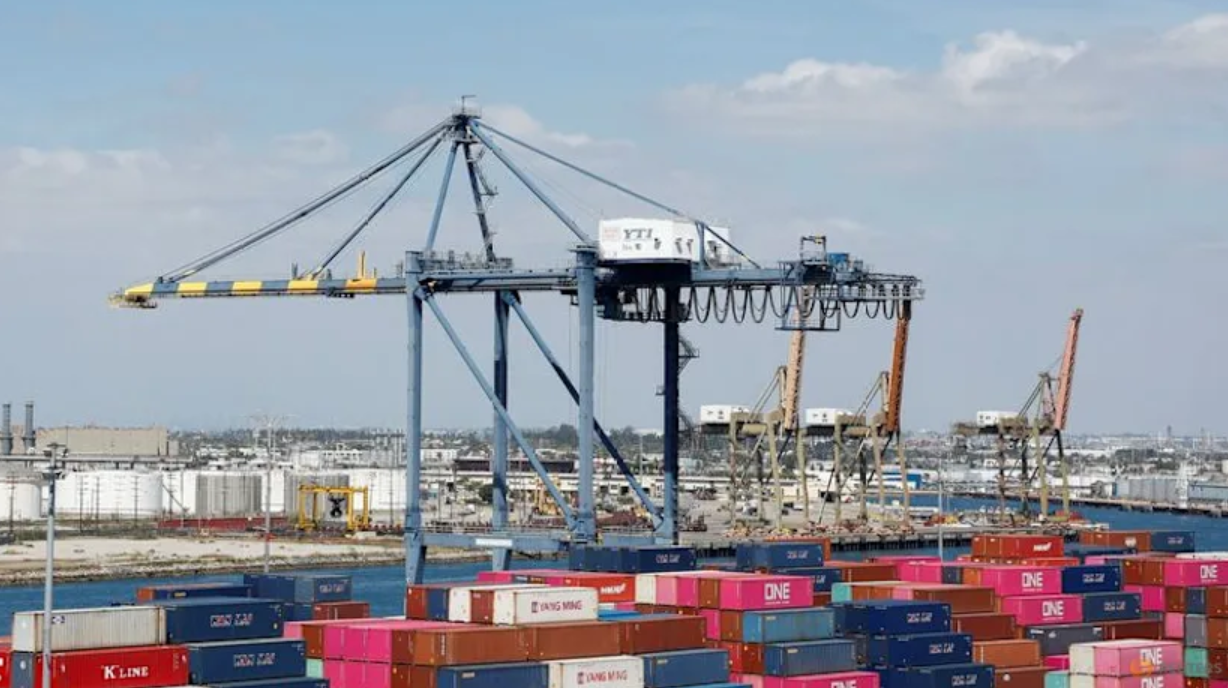
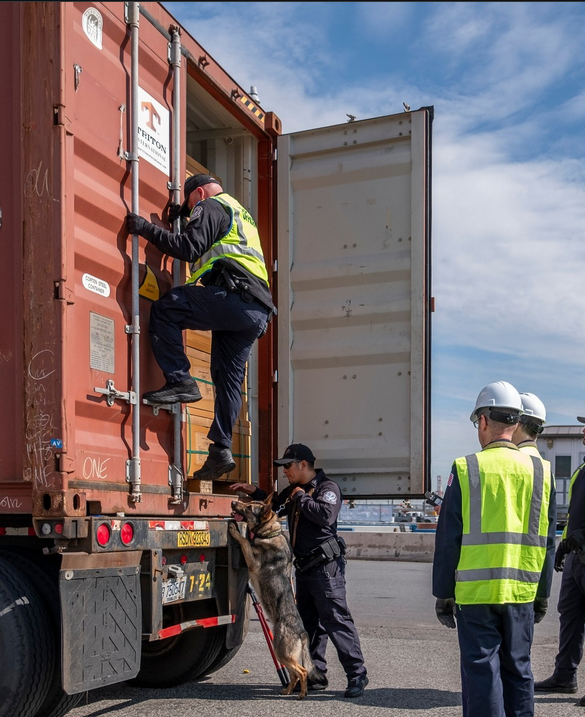
They’ve seen containers being loaded.
From the outside, everything looks straightforward.
But the reality of how Chinese factories operate is often more complicated than buyers expect.
And those misunderstandings can create serious problems in sourcing, quality control, and supply chain stability.
The “Factory” You Are Talking To May Not Be the Factory
One of the most common misconceptions is assuming the company you are communicating with is the manufacturer.
In many cases, it is not.
It might be:
A trading company.
A sourcing office representing multiple factories.
A sales office that outsources production.
Or a manufacturer that subcontracts part of the production elsewhere.
None of these structures are unusual in China.
But they create a gap between the company selling the product and the company actually producing it.
When problems occur, that gap becomes important.
Subcontracting Is More Common Than Buyers Realize
Even legitimate factories often subcontract part of the production process.
This can happen for many reasons:
Capacity limitations during peak production periods.
Specialized processes handled by partner factories.
Cost optimization for certain components.
Subcontracting itself is not necessarily a problem.
But when buyers are unaware of it, quality control and compliance risks increase.
The factory you inspected may not be the facility that ultimately produces your product.
Factory Information Is Not Always Transparent
In Western markets, supplier transparency is expected.
In China, information is often shared selectively.
Factories may hesitate to reveal:
Their upstream suppliers.
Their subcontractors.
Their full production capacity.
Their true cost structure.
This is not necessarily deception. It is often a reflection of competitive dynamics inside Chinese manufacturing clusters.
Factories are protecting their supplier networks and margins.
For buyers, that means verification is essential.
Contracts Work Differently in China
Another misconception is assuming contracts operate the same way they do in Western markets.
In China, enforceability depends heavily on how contracts are written and where they are registered.
For example:
Many Western companies rely on NDAs.
But Chinese courts often place greater weight on NNN agreements (non-disclosure, non-use, non-circumvention).
Jurisdiction also matters.
Contracts that rely on foreign courts are often difficult to enforce against Chinese entities.
Local legal structure and language can make the difference between a contract that protects you and one that does not.
Price Negotiations Are Not the Whole Story
Buyers often focus on unit price when negotiating with Chinese factories.
But price is only one part of the sourcing equation.
Factories operate within tight margin structures.
When costs rise — materials, labor, logistics — suppliers often find ways to protect their margins.
This can appear in several ways:
Material substitutions.
Process shortcuts.
Production moved to lower-cost subcontractors.
Changes in component sourcing.
Without oversight, buyers may only discover these adjustments when quality issues appear.
Where These Misunderstandings Show Up
At the production stage:
The inspected factory may subcontract production to another facility.
At the component level:
Suppliers may switch materials without informing the buyer.
At the logistics stage:
Production schedules may change if the factory prioritizes other clients.
At the compliance stage:
Documentation may not match the actual supply chain structure.
These issues do not always appear immediately.
But when they do, they can disrupt the entire sourcing process.
What Importers Should Do Instead
Working with Chinese factories successfully requires understanding how the system actually works.
Buyers should focus on:
Verifying the real manufacturing site.
Understanding whether subcontracting is involved.
Mapping the supplier network behind the factory.
Using contracts that are enforceable in China.
Maintaining ongoing oversight of production and supply chain changes.
Companies that invest in supplier visibility avoid many of the surprises that affect less experienced buyers.
The Bottom Line
Chinese factories remain some of the most capable manufacturers in the world.
But the structure of the manufacturing ecosystem is different from what many importers expect.
Understanding those differences is critical.
Buyers who treat sourcing as a simple transaction often run into problems.
Buyers who treat it as a managed supply chain build stronger, more reliable production relationships.
FAQ
Q: How can I confirm whether my supplier is the actual factory?
Verify the business license, production facilities, and manufacturing equipment, and conduct on-site inspections.
Q: Is subcontracting common in Chinese manufacturing?
Yes. Many factories subcontract certain processes, especially during peak production periods.
Q: Are Western contracts enforceable in China?
Contracts can be enforceable, but they must be structured properly and usually require Chinese jurisdiction and language.
Q: How can importers reduce sourcing risks in China?
By verifying factories, using proper contracts, monitoring production, and maintaining supplier oversight.